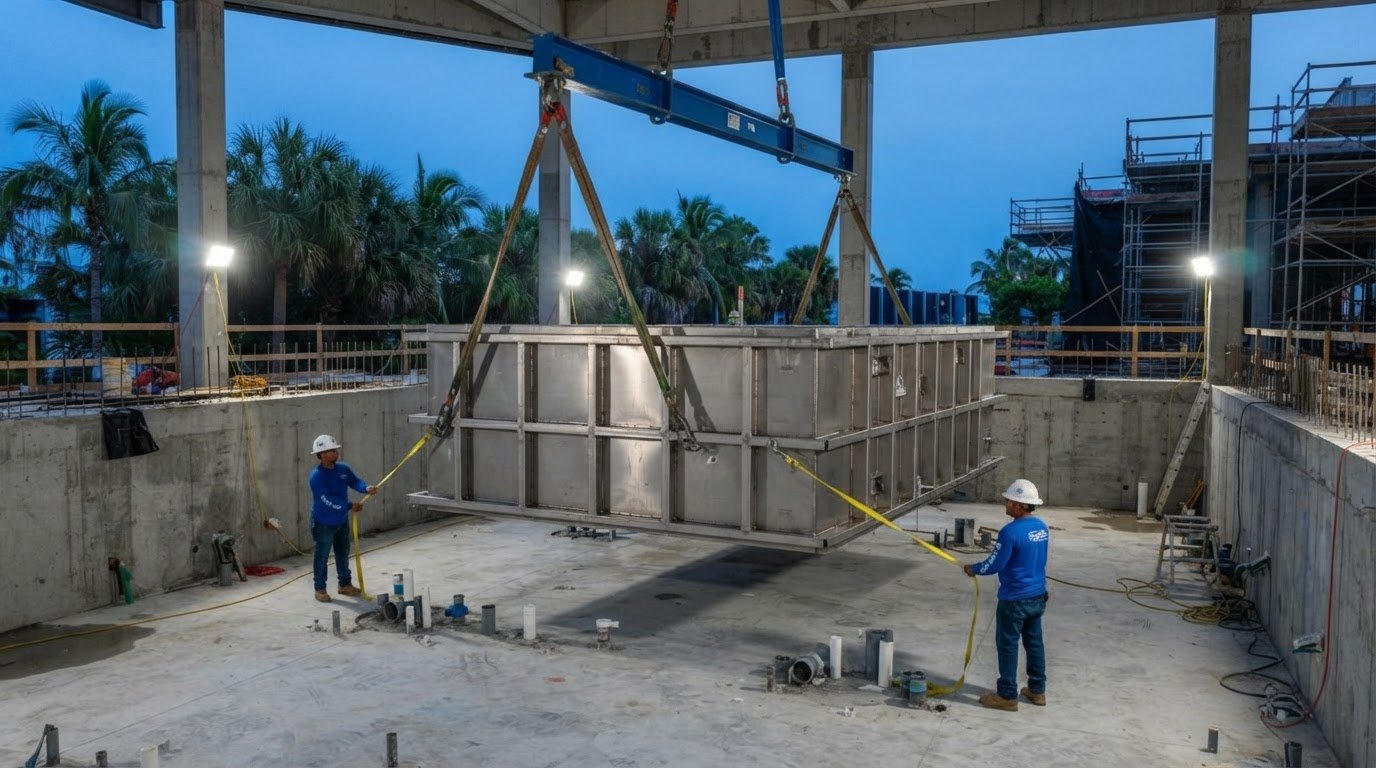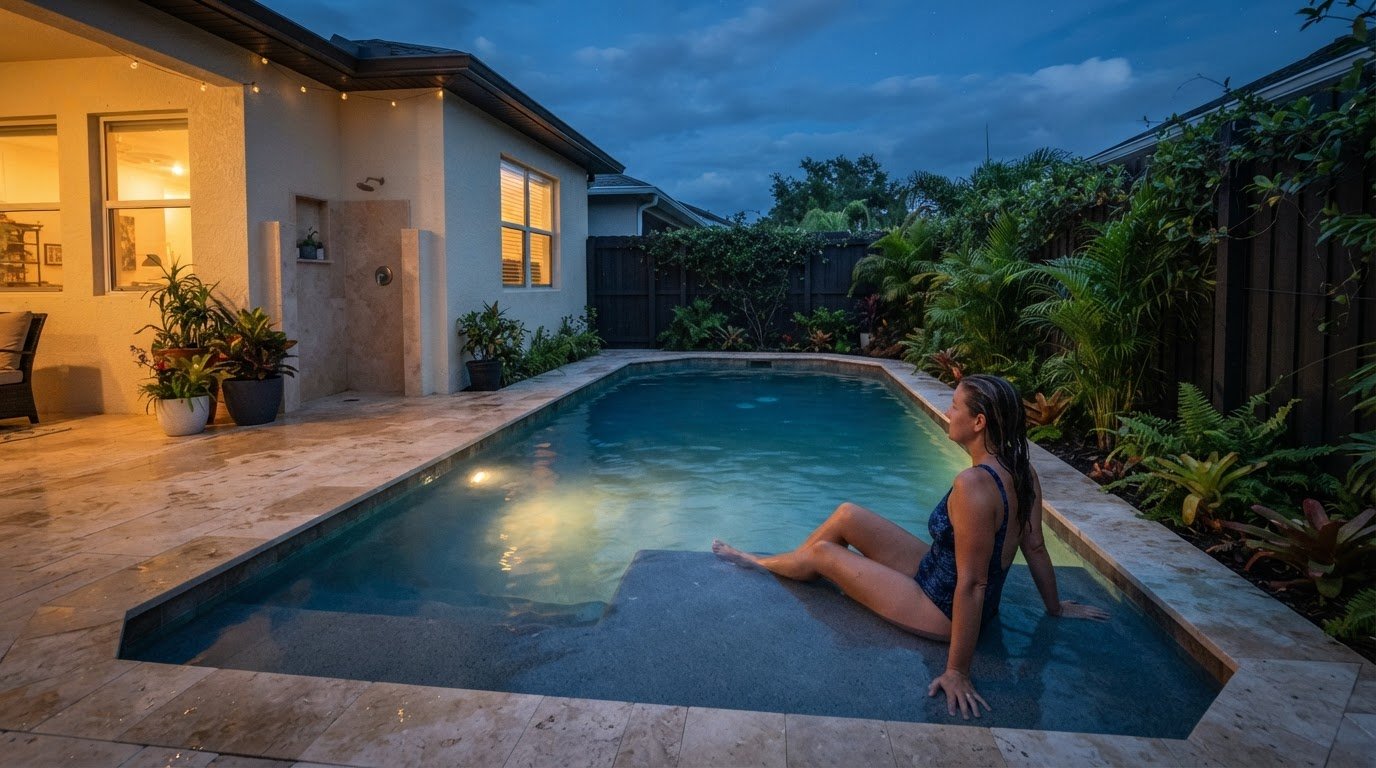
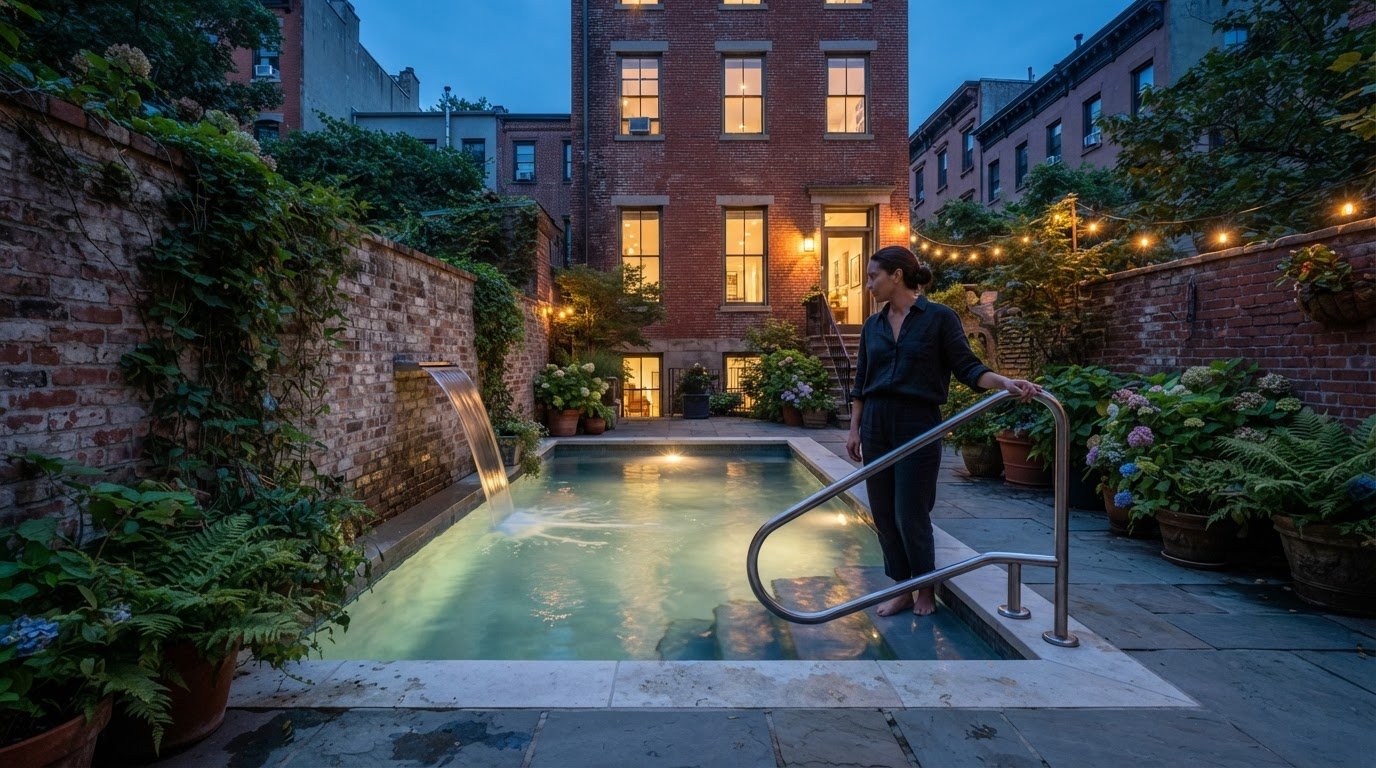
A renewed pool can support a home’s appeal, but resale value depends on the property and its buyers. Pool remodeling returns vary, so balance resale considerations with how you want to use the space. A carefully planned project can improve function and visual coherence, without guaranteeing a return.
It’s understandable to weigh the investment against what you might gain at resale. This guide explains how pool remodeling may affect home value, what common upgrades involve, and which factors shape a project’s scope. You’ll also find practical guidance for planning around your property, priorities, and intended use.
From resurfacing and updated fixtures to layout or system changes, each improvement brings its own design and construction decisions. The sections ahead show how to evaluate options, coordinate planning, and shape a renovation that suits your home.
Key Takeaways
- Separate essential plumbing and fixture work from aesthetic upgrades so the renovation plan addresses system needs as well as appearance.
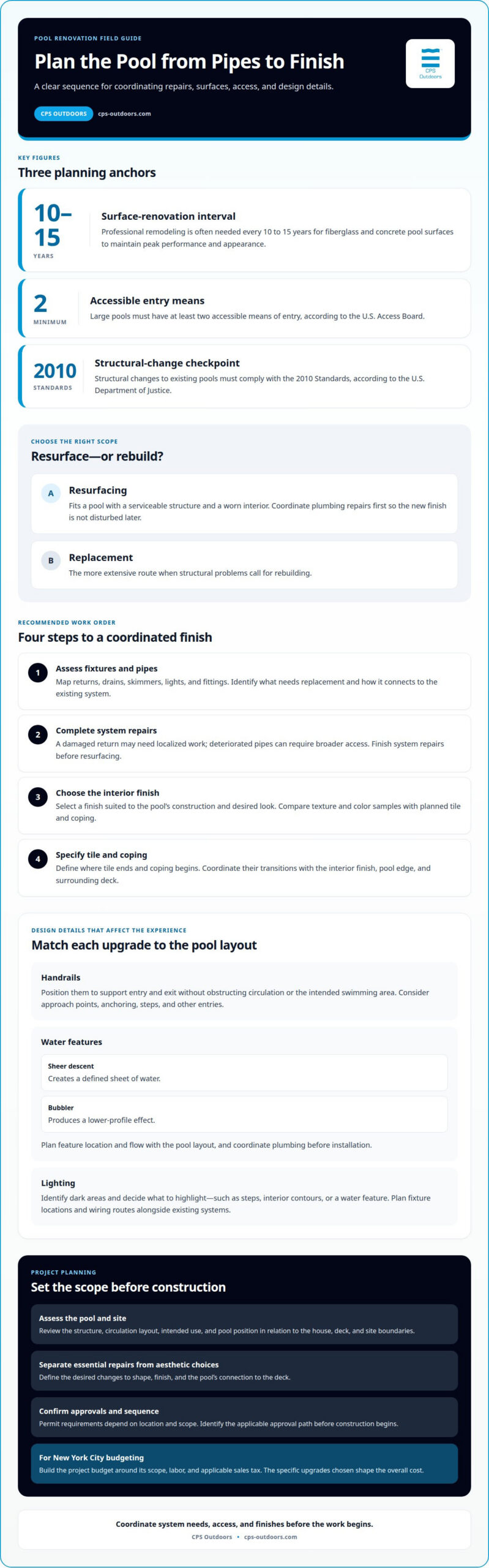
- Structural changes to existing pools must comply with the 2010 Standards, according to the U.S. Department of Justice.
- Coordinate handrails, water features, and lighting with the pool’s layout to create a cohesive design and practical circulation.
- Build a New York City project budget around its scope, labor, and applicable sales tax; the specific upgrades chosen shape the overall cost.
Pool fixtures and plumbing replacement
Map the pool’s fixtures and plumbing before choosing finishes. Identify which returns, drains, skimmers, lights, and fittings need replacement, then note how they connect to the existing system. A damaged return fitting may call for localized work, while deteriorated pipes can require broader access. Coordinate repairs with resurfacing to avoid disturbing a newly completed finish.
Is resurfacing or replacing a pool better? Resurfacing suits a pool with a serviceable structure and a worn interior; replacement is the more extensive route when structural problems call for rebuilding. Professional pool remodeling is often needed every 10 to 15 years for fiberglass and concrete pool surfaces to maintain peak performance and appearance.
Choose an interior finish to suit the pool’s construction and the look you want. Diamond Brite is a quartz aggregate blend used as an interior finish for inground gunite pools. Consider the finish’s texture and color, which shape the water’s appearance and the overall design. Compare samples with the planned tile and coping so the materials work together.
Replacing tile can refresh the waterline and address areas where tile has loosened or cracked. Coping forms the pool’s edge, so its profile and material should complement the surrounding deck and pool geometry. Before installation, define where tile ends and coping begins, then coordinate those transitions with the interior finish. This helps prevent mismatched edges and creates a more cohesive perimeter.
Structural changes to existing pools must comply with the 2010 Standards, according to the U.S. Department of Justice. Large pools must have at least two accessible means of entry, according to the U.S. Access Board. Include access and entry considerations in the design before changing the pool’s shape or surrounding edge.
A practical sequence is to assess fixtures and pipes, complete system repairs, choose the interior finish, then specify tile and coping. This order lets each decision account for the work around it. Coordinated planning with CPS Outdoors can also reduce conflicts between plumbing access, surface preparation, and finish installation.
Renovation consultation, design, and project management
A renovation consultation can turn the pool’s condition and your priorities into a defined scope. Align design, site information, and construction sequencing before work begins.
Renovation Design Consultations
Begin by reviewing the existing pool, concrete shell, plaster, circulation layout, and intended use. Then define what should change, such as the shape, finish, or relationship between the pool and deck. A clear design brief helps separate essential repairs from aesthetic choices.
Choose a pool builder who can assess the existing structure, explain the proposed work sequence, and connect design choices to construction requirements. Review relevant before-and-after examples, noting what changed and whether the finished layout meets needs such as access, seating, or updated finishes.
Surveys and Project Planning
A property survey helps the design team understand the pool’s position in relation to the house, deck, and site boundaries. Use it alongside an on-site assessment to plan construction access and identify constraints that could affect the renovation layout.
For a concrete pool renovation in New Jersey or NEPA, document the existing shape, visible condition, and desired changes before finalizing the design. For example, an illustrative before-and-after plan might retain the pool footprint while updating its interior and deck connection. This makes the scope easier to compare with the existing site.
Permits and Project Steps
Permit requirements depend on the property’s location and the renovation scope. A surface update differs from work that changes the pool structure or modifies associated systems. Identify the applicable approval path during planning, before construction begins.
The process is straightforward: assess the pool, define the design, plan the site, establish required approvals, and schedule construction in sequence. Keep the design documents aligned with the agreed scope as work progresses. This helps the owner track decisions and understand how changes to the concrete shell or layout affect later stages.
When a renovation calls for coordinated design and technical planning, pool design and engineering can help shape the project scope.
Handrails, water features, and lighting
For structural changes to existing pools, compliance with the 2010 Standards is required, according to the U.S. Department of Justice. Large pools must have at least two accessible means of entry, according to the U.S. Access Board.
Handrails and Water Features
Position handrails to support entry and exit without obstructing circulation or the intended swimming area. Consider where users approach the water, how the rail anchors to the surrounding structure, and whether it works with steps or other entry points.
Water features can change a pool’s sound and visual character. A sheer descent creates a defined sheet of water, while a bubbler produces a lower-profile effect. Match the feature’s location and flow to the pool layout, and coordinate its plumbing with the renovation plan before installation.
Lighting Upgrades
Pool lighting can emphasize steps, interior contours, or a water feature after dusk. First, identify dark areas and decide which details to highlight. Plan fixture locations and wiring routes alongside the pool’s existing systems, rather than treating lighting as a last-minute decorative addition.
For example, lighting near steps can make their location more visible, while a fixture aimed at a sheer descent can highlight the moving water. Choose the intended effect before finalizing fixture placement. Pool geometry, viewing angles, and surrounding surfaces all influence how light appears across the water.
Consider safety covers alongside lighting and access features. An automatic pool cover needs a clear path across the pool, so account for rails, raised features, and surrounding edges when planning the layout. Its position and operation should work with the finished design.
Sequence the work carefully: confirm the layout, coordinate electrical and plumbing routes, install the selected features, then assess their placement in the completed space. This connects technical details to the design instead of treating features independently. It also helps lighting, handrails, water movement, and the cover work together as a considered composition.
New York City pool remodeling costs
For Florida homeowners, a project’s scope, pool dimensions, materials, site access, and the condition of existing systems all shape the renovation plan. Demolition, repairs, and installation also affect the work involved. A focused pool remodeling plan helps distinguish essential work from optional upgrades before choices shape the construction sequence.
Start with an itemized scope that identifies repairs, finish work, equipment changes, and design additions. Updating a surface alone involves different work from changing the layout and replacing equipment. Pool remodeling costs depend on the project’s specific requirements, including scope, materials, access, labor, and the condition of the existing pool.
How long does a pool remodel take? The schedule depends on the project’s scope and work sequence. Structural changes, equipment work, and new features involve more stages than a focused update, so establish the sequence before construction begins.
Common risks include concealed deterioration, plumbing issues exposed during access work, and scope changes after construction starts. A newly exposed defect, for instance, may need repair before a finish can be installed. Documenting visible conditions and defining the agreed scope helps clarify how discoveries affect the next stages.
Group related tasks to avoid conflicts between access, repairs, and finish installation. If an automatic pool cover is part of the renovation, account for its path and the surrounding edges during layout planning. This ties the project plan to its actual design and construction requirements.
To discuss the scope and cost factors for your project, request a project quote.
CPS Outdoors: Residential Pool Construction
CPS Outdoors helps homeowners move from renovation planning to a coordinated design and construction scope. Its Residential Renovations service suits projects that update an existing pool, while Pool Design and Engineering supports decisions about layout, systems, and structural details.
If renovation no longer suits the pool’s condition or intended use, Residential Pool Construction offers a path to a newly designed pool. Start with a clear brief: document what should change, what must remain, and how the pool should serve the property. This gives design and engineering decisions a defined purpose.
Bring your renovation goals to CPS Outdoors to discuss the next steps for your project.
Shape the Next Chapter of Your Pool
The strongest pool remodeling plans begin with a clear purpose: decide how the space should serve your home, then align design choices with that vision. Whether you’re refining an existing setting or considering a new direction, coordinated planning can connect the pool’s function, architecture, and surroundings.
CPS Outdoors brings together Pool Design and Engineering, Residential Pool Construction, and Commercial Aquatics. For homeowners, the conversation can begin with the property’s needs and develop into a considered design and construction scope. The project’s goals, site conditions, and intended use guide the decisions.
In your initial discussion, describe what you want to change, what should remain, and how you hope to use the space. A thoughtful starting point gives the next design decisions a clear direction.
Contact CPS Outdoors about your pool to discuss the vision for your project. Your next step can begin with a focused conversation and a plan shaped around your property.
Frequently Asked Questions
Does a Pool Remodel Increase Home Value?
A pool renovation can support a home’s appeal, but it doesn’t guarantee a higher sale price. Buyers may value a pool differently depending on the property, local market, and upkeep needs. Consider how the pool fits the home’s outdoor space and likely buyer expectations. Improvements that make the setting more cohesive and usable may strengthen its presentation, without ensuring a particular resale return.
What does pool remodeling include?
Pool remodeling can include repairs, finish updates, equipment changes, or design improvements to the surrounding area. The scope might involve replacing worn tile, updating lighting, or improving the pool’s connection to a deck. Identify which issues affect operation and which changes are mainly aesthetic, then coordinate related work in one project scope.
How much does a pool renovation cost in the U.S.?
There’s no single U.S. price that applies to every project. The total depends on pool size, materials, labor, site access, and whether the work is limited to finishes or includes structural changes. Compare project scopes, not just totals: pools of similar size can require different work because their condition and desired upgrades vary.
What factors affect pool renovation costs?
Pool remodeling costs are shaped by demolition, the condition of the shell and systems, selected materials, and access to the work area. A confined site may complicate material delivery, while repairs uncovered during demolition can expand the scope. Grouping compatible upgrades can also affect sequencing and labor needs, so define priorities before finalizing the design.
What pool resurfacing materials are available and how do they compare?
Plaster and quartz aggregate are options for pool interiors, with differences in appearance and texture. Diamond Brite is a quartz aggregate blend used in inground gunite pools. During pool remodeling, compare finish samples with the pool’s tile and overall design, and select a material suited to the pool’s construction. The finish should complement the intended look, not be chosen in isolation.