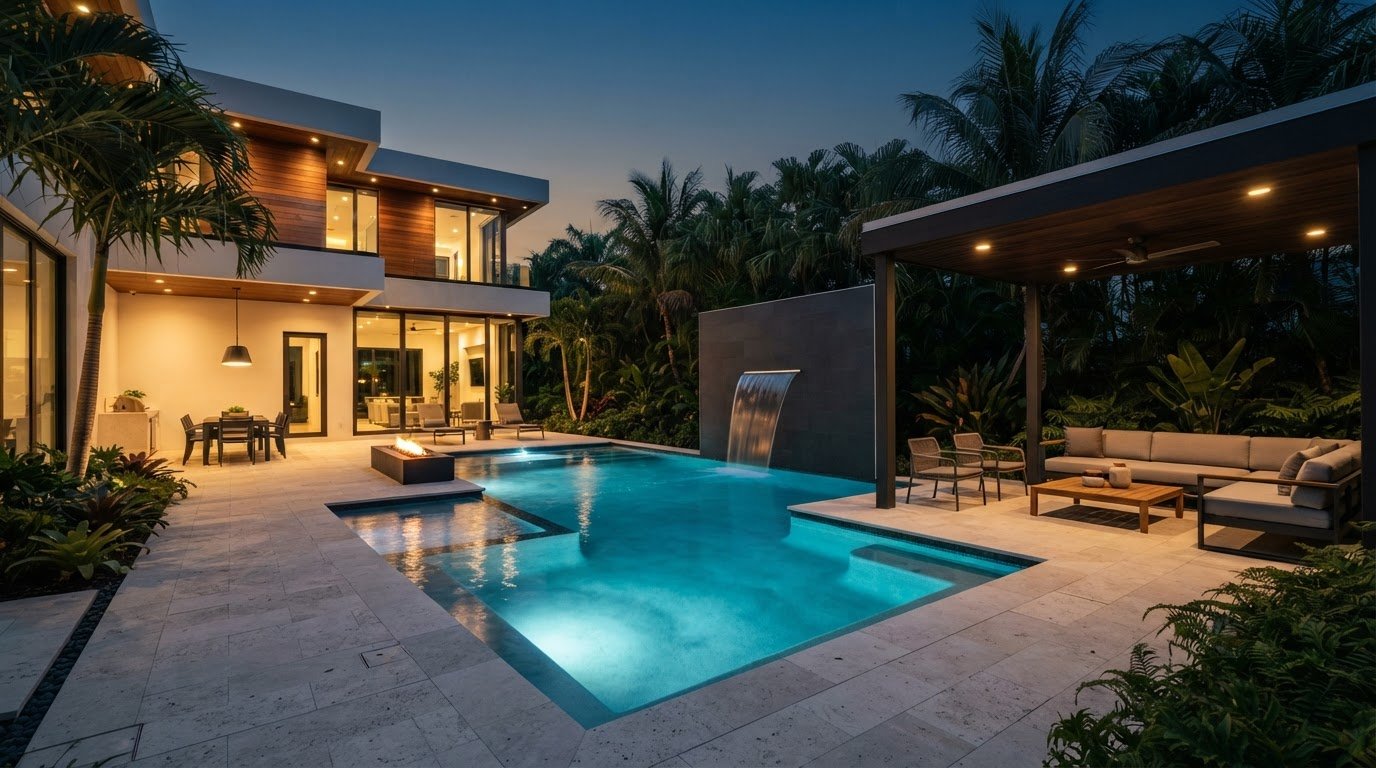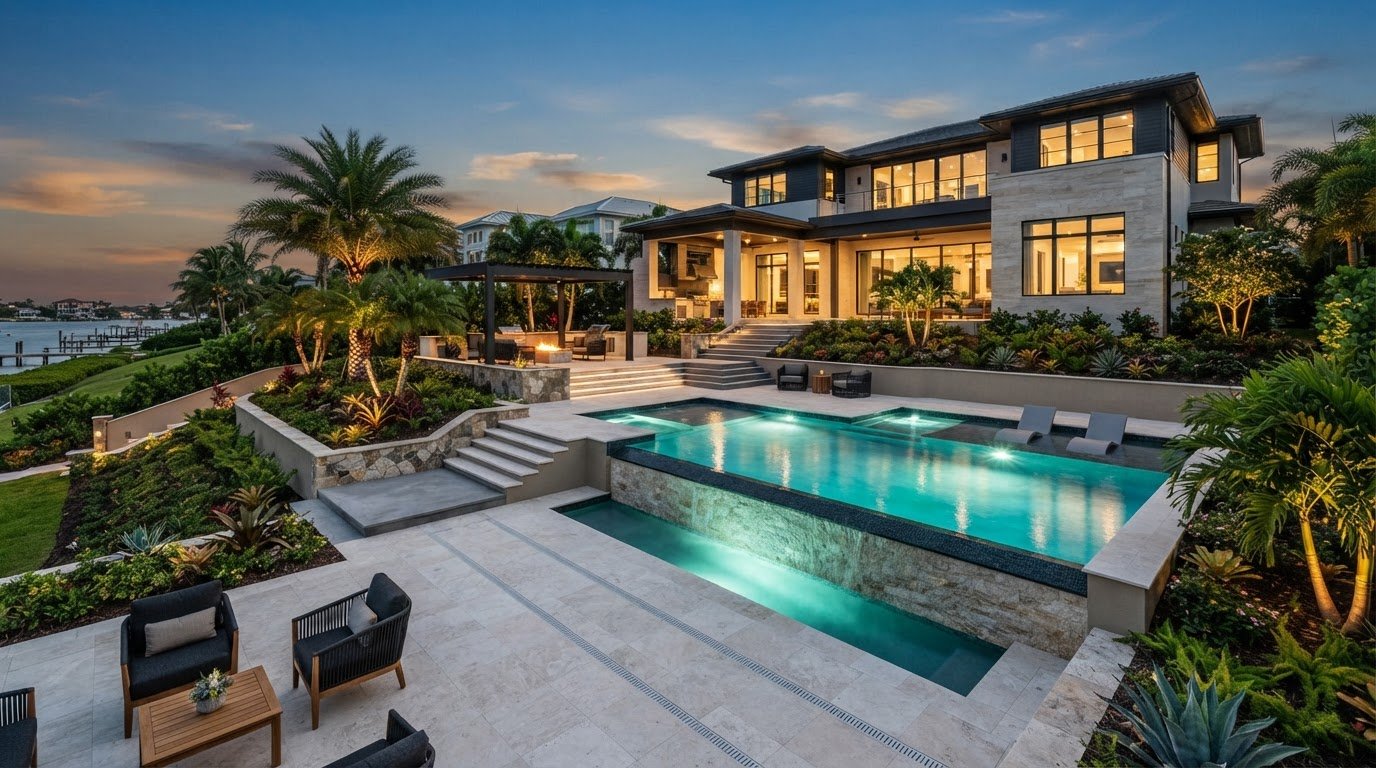
A traditional concrete pool atop a luxury penthouse isn’t a badge of permanence; it’s a structural liability that places unnecessary strain on your building’s architecture. You’ve likely hesitated to specify an elevated aquatic feature because the risks of structural fatigue and catastrophic leaks feel too high. It’s understandable to prioritize the integrity of the floors below over the vision of a rooftop oasis. We recognize that the fear of a 460-pound-per-square-foot concrete shell failing is a legitimate engineering concern for any discerning developer or homeowner.
This guide will demonstrate why stainless steel elevated pool construction is the superior choice for 2026, offering a lightweight, leak-proof alternative that exceeds the requirements of the Florida Building Code. You’ll discover how these bespoke structures reduce weight by up to two-thirds compared to concrete, ensuring long-term structural reliability without compromising on aesthetics. We’ll examine the technical realities of welded precision, the speed of off-site fabrication, and how these high-spec systems provide a permanent solution for the most demanding architectural environments.
Key Takeaways
- Learn why specialized stainless steel alloys are engineered to thrive in Florida’s coastal climate, debunking common myths regarding salt-air corrosion and material longevity.
- Discover how stainless steel elevated pool construction minimizes structural dead loads, allowing for ambitious rooftop designs with reduced foundation reinforcement costs.
- Identify the engineering benefits of all-welded, one-piece vessels that eliminate traditional leak points and accommodate thermal expansion more effectively than concrete.
- Navigate the complexities of the 2026 Florida Building Code and ASCE wind load standards to ensure your elevated aquatic project is both compliant and secure.
- Explore the seamless integration of moveable pool floors and Elemento Living hardscapes to transform your aquatic feature into a versatile, multi-purpose environment.
Common Myths About Stainless Steel Elevated Pool Construction
Many architects and homeowners view stainless steel as a utilitarian choice reserved for Olympic training centers or industrial tanks. This perception overlooks the material’s evolution into a luxury standard. Misconceptions often stall innovation. For years, the industry relied on concrete because it felt familiar, yet stainless steel elevated pool construction has redefined the possibilities for high-end residential decks. We need to address the four primary myths that frequently cloud the decision-making process for luxury builds.
- Myth 1: Industrial Utility. While stainless steel is prized for its durability in commercial settings, its clean lines and reflective properties are now a hallmark of modern residential minimalism.
- Myth 2: Salt Air Vulnerability. Coastal Florida environments are demanding, but the right alloy selection renders the “inevitable corrosion” argument obsolete.
- Myth 3: Rigid Design. The material is far from limited. It allows for tighter tolerances and more ambitious geometries than poured concrete.
- Myth 4: Prohibitive Cost. Looking at the vessel price in isolation is a mistake. The significant reduction in structural reinforcement for the building often offsets the initial material investment.
The Reality of Grade 316L Stainless Steel
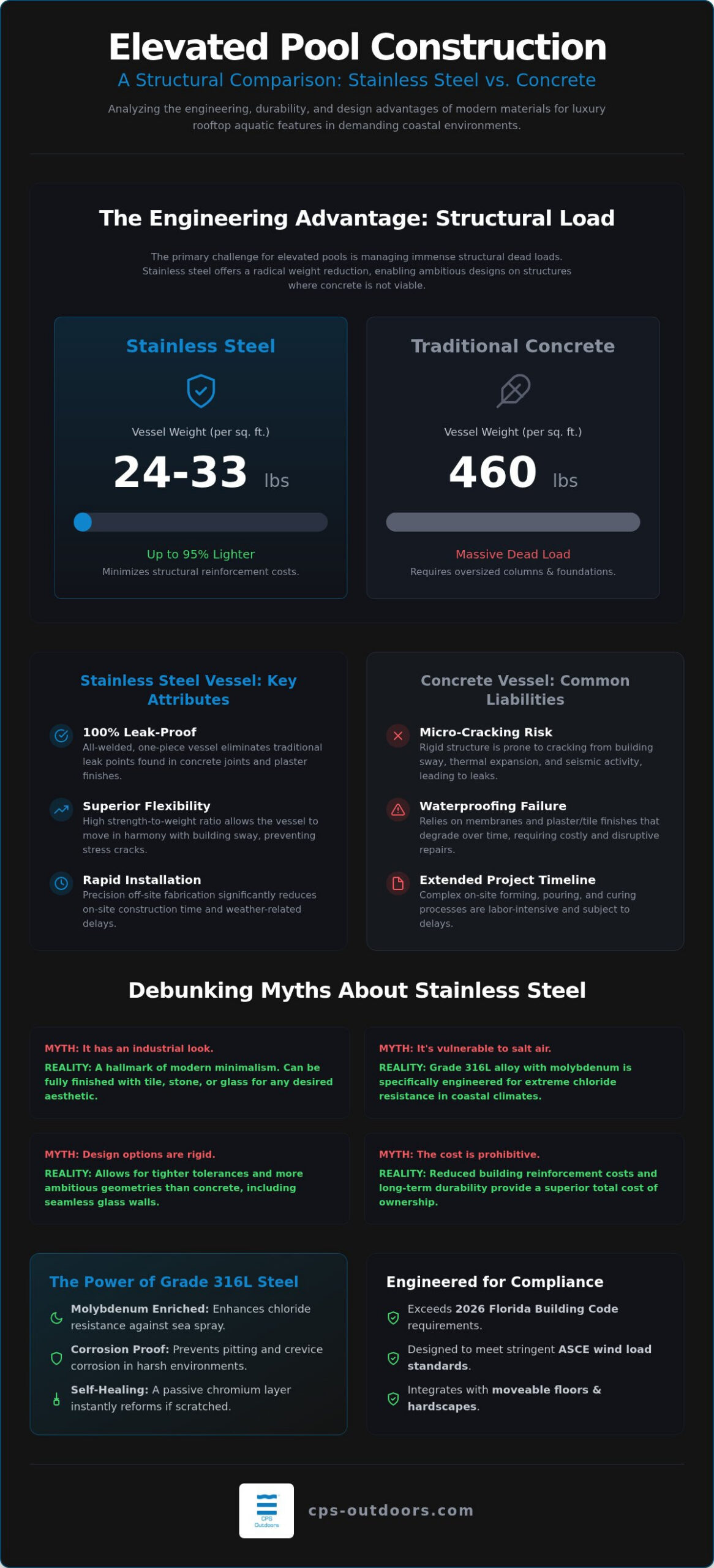
The secret to longevity in Florida’s humid, salt-heavy atmosphere lies in the chemistry of the steel. We exclusively utilize Grade 316L, a low-carbon alloy enriched with molybdenum. This specific element enhances chloride resistance, ensuring the vessel remains pristine even when exposed to sea spray. 316L stainless steel acts as a high-performance barrier that prevents localized pitting and crevice corrosion in harsh, chloride-rich aquatic environments. Beyond the alloy itself, the material develops a self-healing passive layer. If the surface is scratched, the chromium reacts with oxygen to reform the protective film instantly. This provides a level of structural integrity that traditional plaster or tile simply cannot match over decades of service.
Aesthetic Versatility in Modern Aquatic Architecture
Choosing steel doesn’t mean sacrificing the visual warmth of a traditional pool. Modern engineering allows for the seamless integration of glass walls and large-scale acrylic windows directly into the steel frame. These transparent boundaries create “vanishing edges” that are structurally superior to those built with masonry. For those who prefer a classic look, the interior can be finished with high-end tile overlays or stone veneers, masking the steel skeleton entirely. This adaptability highlights the bespoke nature of aquatic architecture. A prime example of this engineering feat is the Marina Bay Sands SkyPark, which utilizes a massive stainless steel system to manage the immense weight and movement of an elevated infinity pool. Whether you desire a brushed satin finish or a fully tiled masterpiece, the steel vessel serves as the perfect, flexible foundation.
The Engineering Advantage: Weight and Structural Loads
The primary engineering challenge of any rooftop aquatic feature is the management of massive dead loads. Traditional concrete vessels impose a significant burden on the building’s structural integrity, often requiring oversized columns and reinforced foundations that escalate project costs. By contrast, stainless steel elevated pool construction offers a radical reduction in weight. A stainless steel vessel typically weighs approximately one-third of a concrete pool of the same dimensions. Specifically, while concrete structures can exert a pressure of 460 lbs per square foot, a stainless steel alternative ranges between 24 and 33 lbs per square foot. This weight savings allows architects to specify larger aquatic centerpieces on existing Florida terraces that simply couldn’t support the mass of shotcrete.
Beyond the static weight, the inherent flexibility of steel provides superior performance regarding seismic activity and building sway. High-rise developments in Miami must account for the natural movement of the tower; rigid concrete is prone to micro-cracking under these stresses. Stainless steel’s high strength-to-weight ratio allows the vessel to move in harmony with the building. Adhering to the Florida Building Code requirements for 2026, which mandate strict waterproofing and structural rigidity, becomes significantly more efficient when the base material is naturally impervious and resilient to vibration.
Calculating the Weight Differential
The impact of reducing a pool’s weight by 13 to 19 times per square foot extends far beyond the pool deck. It fundamentally alters the building’s budget. When you eliminate hundreds of tons of dead load from the roof, the requirement for massive structural steel reinforcement in the floors below is diminished. This cascading effect can lead to substantial savings in the primary building foundation. For luxury renovations, this weight differential is often the deciding factor between a shallow “spool” and a full-depth swimming environment. If you’re planning a complex rooftop project, our pool design and engineering team can help you navigate these specific load calculations to maximize your space.
Crane-In Installation and Site Logistics
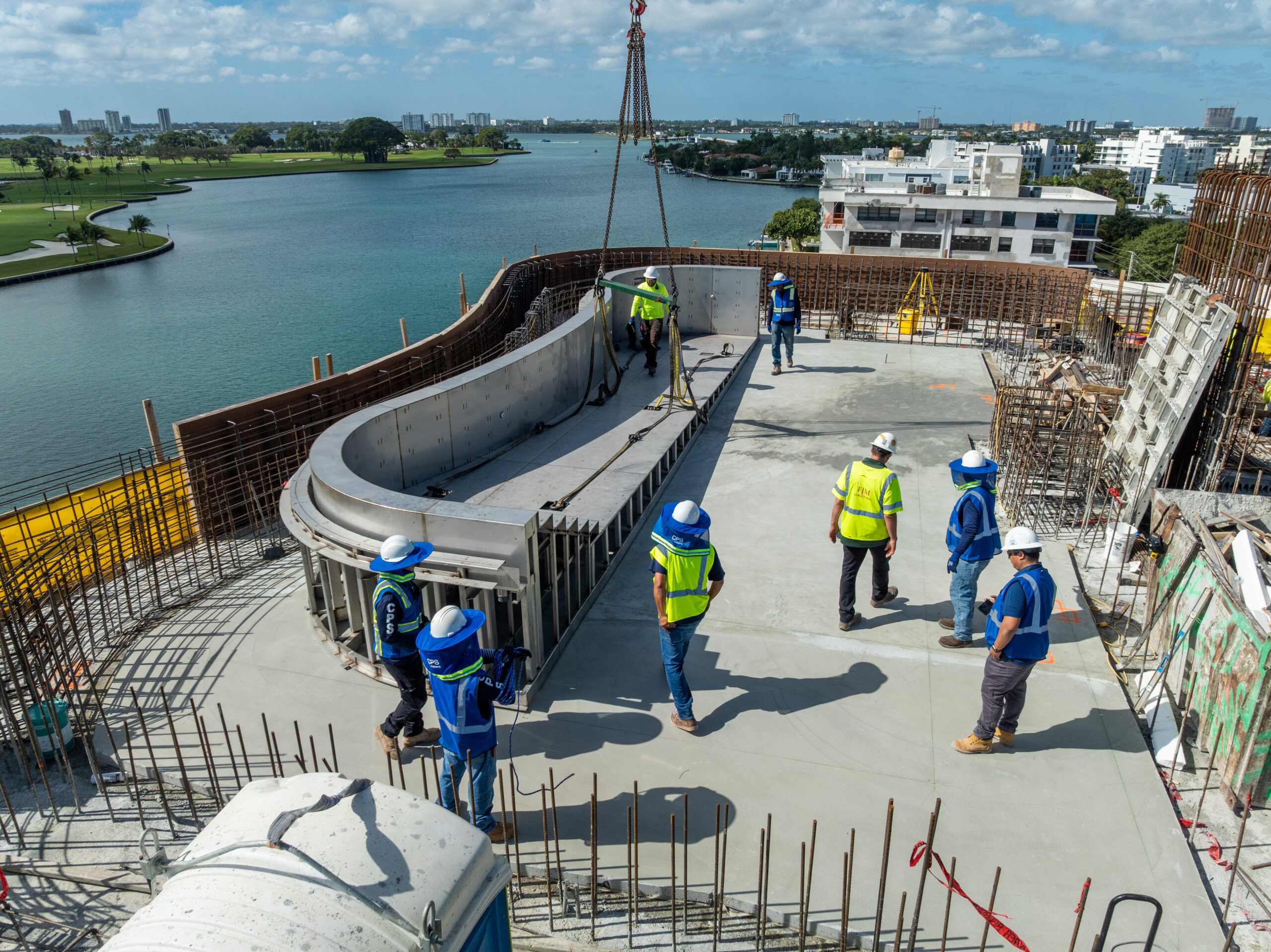
Construction in densely populated Florida coastal areas demands surgical precision and minimal disruption. Traditional concrete pools require weeks of on-site reinforcement, formwork, and the messy application of shotcrete. Stainless steel vessels are pre-fabricated in a controlled factory environment to exacting tolerances. Once the sections arrive on-site, they are craned into position and welded. This process can reduce construction timelines by up to 50% for elevated projects. There’s no cure time for the shell, no dust from grinding concrete, and no risk of weather-related pouring delays. The result is a faster path to completion with a significantly cleaner job site.
Leak Prevention and Long-Term Waterproofing Reliability
Elevated concrete pools aren’t inherently waterproof. They rely on multi-layered membranes and plaster finishes that inevitably degrade under constant hydrostatic pressure. In contrast, stainless steel elevated pool construction creates a monolithic, all-welded vessel that functions as its own primary containment. Every seam is fusion-welded to create a single, continuous sheet of metal. This engineering approach eliminates the “cold joints” and expansion joint failures that plague traditional masonry builds. When a concrete structure experiences micro-cracking due to building vibration or age, the waterproofing membrane is often the first component to fail, leading to silent and costly seepage into the building’s frame.
The maintenance cycle of a stainless vessel is significantly less demanding than its concrete counterparts. You won’t face the recurring need for replastering or tile regrouting every seven to ten years. A brushed stainless interior remains structurally sound and aesthetically consistent for decades. This long-term reliability is paramount when the pool sits directly above high-value living spaces or sensitive technical infrastructure. By choosing a precision-engineered stainless steel pool that is naturally impervious to water, you eliminate the primary point of failure in elevated aquatic design.
Watertight Integrity for Rooftop Living
A leak in an elevated environment isn’t just a maintenance issue; it’s a potential catastrophe for the floors below. Water migration can compromise structural steel, destroy electrical systems, and ruin bespoke interior finishes. This high-stakes risk is why stainless steel is the preferred choice for luxury rooftop pool construction. To provide absolute peace of mind, these systems often incorporate secondary containment layers and advanced vacuum-leak detection. These sensors monitor the integrity of the shell in real-time, providing immediate alerts long before any moisture can reach the building’s primary structural envelope.
Thermal Movement and Structural Flexibility
Florida’s intense solar gain causes significant thermal expansion in rooftop materials. Concrete is a rigid medium with a low tolerance for rapid temperature shifts. If the pool shell doesn’t expand at the same rate as the building’s support structure, stress fractures appear. Stainless steel possesses a higher thermal expansion coefficient, allowing the vessel to “breathe” alongside temperature fluctuations without compromising its watertight seal. It’s an elastic solution for a dynamic environment. The precision-welded joints in a stainless steel vessel act as flexible anchors that successfully accommodate the subtle structural settling and lateral movement common in coastal high-rises.
Designing for the Florida Environment: Permitting and Compliance
Constructing an elevated aquatic feature in Florida requires more than just aesthetic vision; it demands strict adherence to the most rigorous building standards in the United States. The 9th Edition of the Florida Building Code (2026) mandates that all pools be constructed of structurally rigid and impervious materials. Because stainless steel elevated pool construction utilizes a naturally watertight alloy, it simplifies the compliance process for rooftop applications. Specialized aquatic engineering is essential here. Our team manages the technical documentation required to prove that the vessel can withstand the unique environmental pressures of the Sunshine State, from hydrostatic forces to the lateral stresses of high-rise living.
Coastal regions present the added challenge of soil subsidence and foundation instability. In areas with high water tables or shifting sands, the weight of the structure is a primary concern for local building departments. By choosing a lightweight stainless steel shell, developers can often secure permits for larger vessels on sites where a concrete equivalent would exceed the allowable load-bearing capacity of the foundation. This engineering advantage is a critical component of the permitting strategy for luxury developments from Naples to Palm Beach. For estate owners seeking dedicated fitness amenities, working with experienced stainless steel lap pool builders ensures that both structural compliance and performance requirements are met from the outset.
Hurricane Resistance and Safety Standards
Structures within High-Velocity Hurricane Zones (HVHZ) must meet extreme performance criteria. Elevated stainless vessels are engineered with robust structural anchoring systems designed to resist wind uplift and seismic vibration. Beyond the shell itself, safety remains a priority. We often recommend automatic pool covers for safety and debris protection. These systems provide a critical barrier against hurricane-force winds and prevent wind-blown debris from entering the filtration system during severe weather events, ensuring the pool remains functional and secure year-round.
Salt Air Mitigation and Precision Maintenance
The proximity to the Atlantic or the Gulf necessitates a proactive approach to material science. While Grade 316L stainless steel provides exceptional resistance to chloride, “zero maintenance” is a common industry myth. In high-salinity zones, the reality is “easy maintenance.” Salt deposits can lead to superficial tea-staining if left unaddressed. We specify high-polish or brushed finishes that minimize surface area for salt crystals to bond. Regular rinsing with fresh water and periodic cleaning with specialized solutions keep the vessel in showroom condition. For those seeking the ultimate in durability and compliance, our residential pool construction services ensure every detail meets the highest engineering standards.
Bespoke Integration: Moveable Floors and Elemento Living
The ultimate luxury in rooftop design isn’t just the presence of water; it’s the ability to command space. Stainless steel elevated pool construction provides the structural rigidity necessary to house sophisticated mechanical systems that traditional concrete shells cannot accommodate with the same degree of accuracy. Integrating a moveable pool floor requires tolerances measured in millimeters. Because stainless steel vessels are factory-fabricated using laser-cutting technology, they offer the perfect, unchanging frame for these aquatic elevators. This level of precision ensures that the floor moves silently and stays perfectly level, creating a flush surface that is indistinguishable from the surrounding deck.
Fragmented contracting often leads to aesthetic and functional disconnects. A design-build firm acts as a single point of accountability, ensuring that the pool’s engineering aligns perfectly with the architectural vision. This unified approach eliminates the friction between the pool builder, the structural engineer, and the landscape architect. When one firm curates the entire environment, the result is a seamless masterpiece where every component, from the filtration system to the final finish, operates as a single, cohesive unit. This meticulous oversight is what separates a standard installation from a bespoke aquatic environment.
The Moveable Pool Floor Advantage
A moveable floor transforms a rooftop pool into a dry, load-bearing terrace in minutes. It’s the definitive solution for luxury estates where square footage is at a premium. These systems allow homeowners to host large gatherings on a solid surface, then return to a full-depth swimming environment at the touch of a button. The all-welded stainless steel shell provides the stable environment needed for these high-spec mechanics to function without the risk of shifting or warping over time. It’s an investment in multi-use functionality that enhances both the safety and the versatility of the outdoor space.
Elevating the Outdoor Lifestyle
True luxury is found in the continuity of design. We specialize in coordinating bespoke pool finishes with Elemento Living hardscapes and premium outdoor court installations. This creates a unified aesthetic where the pool, spa, and outdoor kitchen feel like a singular architectural statement. Whether you’re integrating a pickleball court or a custom fire feature, the transition between the aquatic vessel and the surrounding environment should be invisible. Consult with CPS Outdoors on your bespoke aquatic project to see how we harmonize advanced engineering with sophisticated lifestyle design.
Mastering the Future of Elevated Aquatic Design
Engineering a rooftop oasis requires more than just water; it demands a fundamental shift in material science. By moving beyond the limitations of concrete, you secure a structure that’s lighter, stronger, and inherently watertight. The decision to invest in stainless steel elevated pool construction ensures that your luxury environment remains a permanent centerpiece, free from the structural liabilities and maintenance cycles of traditional masonry. From the precision of all-welded joints to the seamless integration of moveable floor technology, these vessels represent the peak of modern aquatic innovation.
Our design-build excellence is grounded in specialized Florida aquatic engineering. We ensure every project meets the most stringent standards of the 2026 building code while realizing an aspirational lifestyle. Whether you’re seeking to maximize square footage with a hidden floor or create a unified aesthetic with Elemento Living hardscapes, the path to a reliable rooftop masterpiece begins with expert engineering. It’s about more than building a pool; it’s about curating an environment that lasts. Explore Bespoke Stainless Steel Pool Engineering by CPS Outdoors and discover how we bring architectural precision to your next project. Your vision deserves a foundation that is as enduring as it is beautiful.
Frequently Asked Questions
Is stainless steel more expensive than concrete for an elevated pool?
The material cost for the vessel itself is typically higher, but the total project investment often balances out due to significant structural savings. Because a stainless vessel weighs much less than concrete, the building requires less reinforcement in the columns and foundation. This engineering efficiency can offset the premium price of the alloy, especially in high-rise Florida developments where weight management is a primary budgetary driver.
Will a stainless steel pool rust in the Florida salt air?
Corrosion is prevented through the use of high-grade 316L stainless steel, which contains molybdenum for enhanced chloride resistance. This alloy is specifically engineered to thrive in coastal Florida environments. The material naturally forms a microscopic passive layer that protects the surface from oxidation. With basic rinsing to remove salt deposits, the structure remains pristine and structurally sound despite the high-salinity air common in beachfront luxury estates.
How long does it take to install a stainless steel elevated pool?
The installation of a stainless steel elevated pool construction is significantly faster than traditional methods, often reducing on-site timelines by up to 50%. Most of the fabrication occurs in a controlled factory environment to exacting tolerances. Once the sections arrive at your property, they are craned into position and welded. This process eliminates the weeks of formwork, shotcrete application, and curing time required for masonry vessels.
Can you tile a stainless steel pool to make it look like concrete?
You can achieve a traditional aesthetic by utilizing tile overlays or stone veneers over the steel shell. This approach combines the structural reliability of a metal vessel with the visual warmth of classic masonry. Specialized adhesives and flexible membranes ensure the tile remains secure even as the building experiences subtle movement or thermal expansion. It allows for a bespoke finish that matches your Elemento Living outdoor hardscapes perfectly.
Are stainless steel pools louder when someone is swimming?
Noise levels are comparable to concrete pools because the surrounding water and specialized insulation effectively dampen vibrations. The mass of the water itself absorbs most of the sound energy generated by swimmers. For elevated projects, we often incorporate acoustic decoupling layers between the pool frame and the building’s structural deck. This ensures that no mechanical or splash noise migrates to the luxury living spaces located directly below the aquatic feature.
Do stainless steel pools get too hot in the sun?
The material does not become uncomfortably hot because the water acts as a constant heat sink. Stainless steel is highly conductive, meaning it quickly adopts the temperature of the water it contains. While the coping or dry edges might absorb solar heat, the submerged surfaces stay cool and comfortable. In the intense Florida sun, the reflective properties of a brushed finish can actually help mitigate heat absorption compared to dark-colored tiles.
What is the lifespan of a stainless steel pool compared to shotcrete?
Stainless steel vessels offer a superior lifespan that often exceeds 40 years without the need for major structural renovations. Unlike shotcrete, which requires replastering every seven to ten years due to cracking and staining, a metal shell remains impervious to leaks. The material’s resistance to Florida’s humidity and UV exposure ensures it doesn’t degrade or lose structural integrity, making it a more permanent solution for high-value aquatic architecture. For a comprehensive overview of why discerning homeowners are making the switch, explore our ultimate guide to luxury stainless steel pool engineering and the full spectrum of benefits these systems offer.
Can I install a moveable pool floor in a stainless steel vessel?
A stainless steel vessel is the ideal foundation for moveable pool floor technology because of its precise manufacturing tolerances. The rigid, laser-cut frame ensures the mechanical system operates smoothly without the risk of binding or misalignment. This integration allows you to transform your pool into a dry terrace in minutes. It’s a hallmark of bespoke aquatic engineering that maximizes functional square footage on luxury rooftop decks and balconies. For performance-focused installations such as training environments, the same precision that makes these vessels ideal for moveable floors also makes them the preferred choice among custom stainless steel lap pool builders serving Florida’s luxury estate market.