A luxury pool is defined less by scale than by how completely it serves the property and the people who use it. A luxury pool design firm in Florida brings together the pool, spa, finishes, lighting, and surrounding outdoor spaces in a considered plan, so each element feels connected rather than added as an afterthought.
That vision also needs to work in practice. Custom features should suit the home, site, and ways you want to relax, entertain, or swim. This article explains what distinguishes a luxury pool, how a custom pool and spa can shape outdoor living, and how design moves into engineering and construction. It also covers how to assess features and finish choices as you plan.
Key Takeaways
- Choose pool features around how you want to entertain, unwind, or exercise, then consider how lighting and outdoor spaces can bring them together.
- Understand how design decisions, permitting, and construction fit into the project sequence, and which site and scope details can affect timing.
- Assess a custom pool and spa as part of the wider outdoor environment, with finishes and features selected to suit the home and your priorities.
- Compare design firms by the scope of their design and engineering work and how well their capabilities align with your project’s needs.
Personalized features for entertainment, relaxation, and fitness
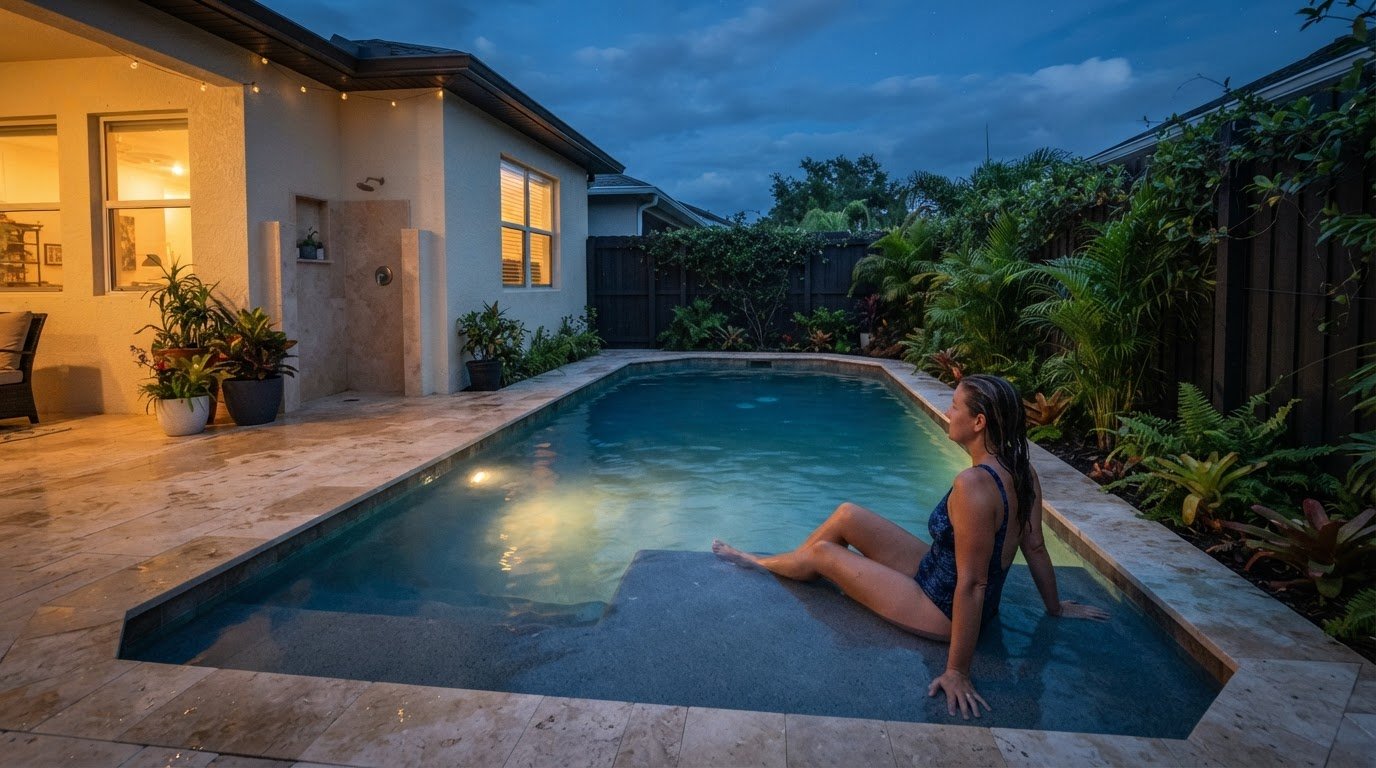
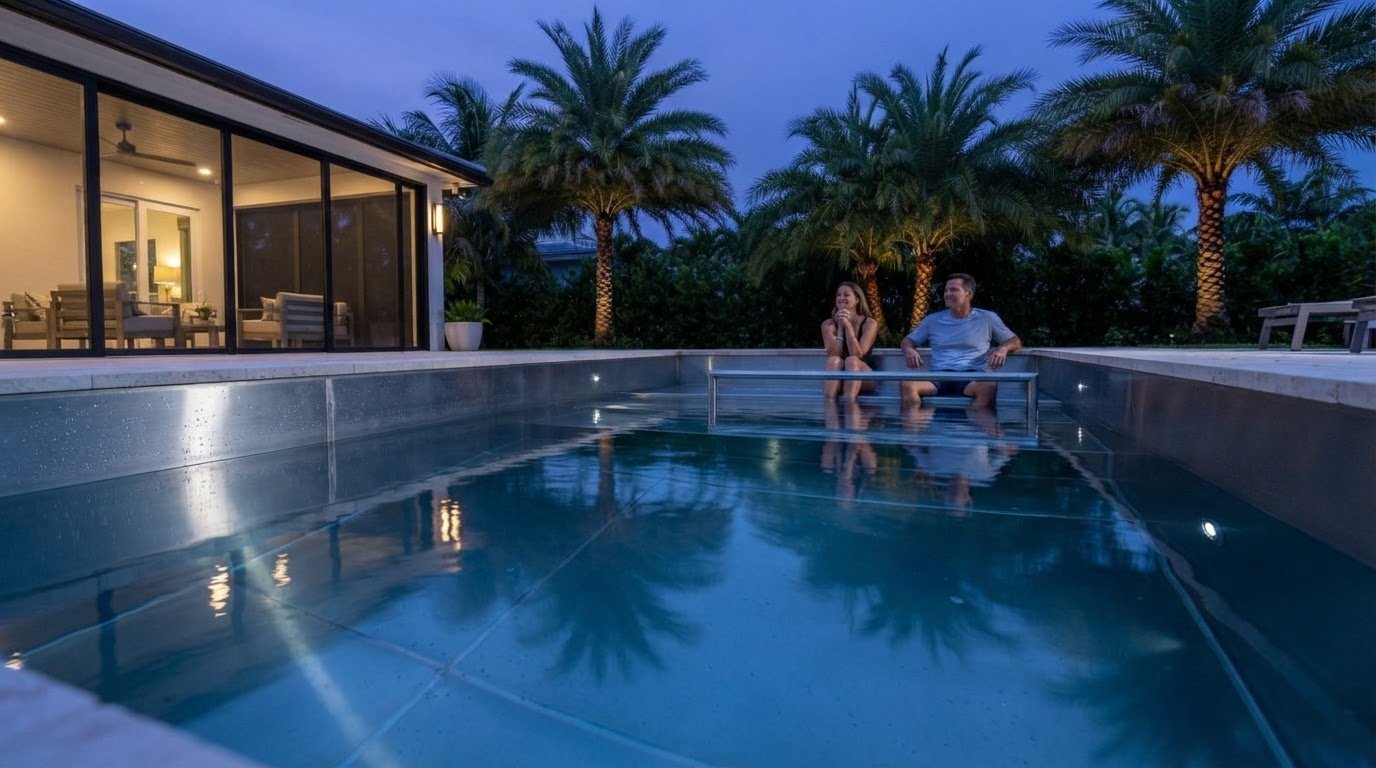
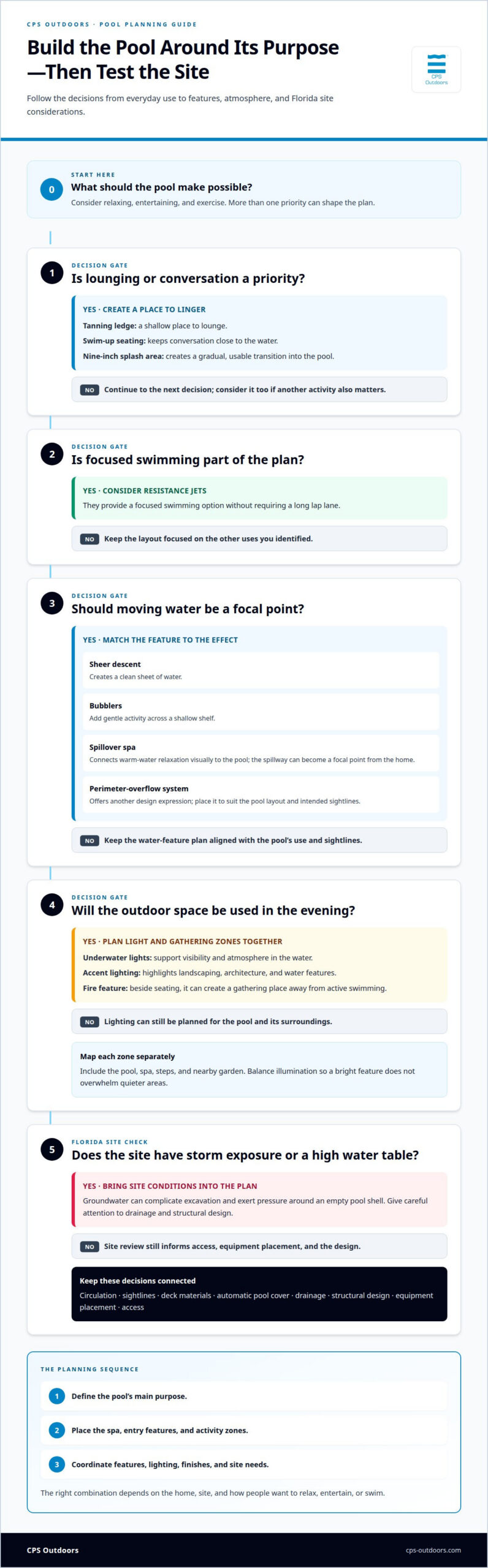
Begin with the activities the pool should support. A tanning ledge creates a shallow place to lounge, while swim-up seating keeps conversation close to the water. For exercise, resistance jets provide a focused swimming option without requiring a long lap lane. A nine-inch splash area can also form a gradual transition into the pool, giving the entry sequence a distinct, usable zone.
Water features influence both the sound and movement of a space. Sheer descents create a clean sheet of water, while bubblers add gentle activity across a shallow shelf. A spillover spa can connect warm-water relaxation visually to the main pool, with the spillway becoming a focal point from the home. Perimeter-overflow systems offer another design expression, but their placement should suit the pool layout and intended sightlines.
Lighting should be planned for the pool and its surroundings. Underwater lights provide visibility and atmosphere in the water, while accent lighting can highlight landscaping, architecture, and water features. Map each zone separately, including the pool, spa, steps, and nearby garden. This helps balance illumination without letting a bright feature overwhelm quieter areas.
Fire features contrast with moving water and can make an outdoor setting inviting in the evening. A fire element beside a seating area, for example, creates a gathering place away from active swimming. For fitness, relaxation, or entertaining, plan feature locations around circulation and sightlines. Coordinate them with deck materials and an automatic pool cover so the elements feel integrated rather than visually competing.
Florida pool projects need careful attention to site conditions, including storm exposure and high water tables. Groundwater can complicate excavation and exert pressure around an empty pool shell. Drainage, structural design, equipment placement, and access should therefore inform the plan alongside the pool’s features.
Design, permitting, and construction timelines
Plan the project in stages: site review, concept design, engineering, permitting, construction, and completion. Each stage informs the next. A pool near a property boundary, for example, may need design adjustments before plans are submitted. A spa, retaining feature, or automatic cover also affects planning and coordination. Resolving these choices early helps keep later documents aligned with the intended layout.
Permitting follows design, but requirements vary across Florida. Local rules, site conditions, and project scope shape the submissions and review process. Drainage plans, property surveys, structural details, and equipment locations may all affect what reviewers require. If comments call for revisions, updated drawings can add steps before construction begins. Keep a clear record of submitted plans and requested changes to organize decisions.
Construction sequencing depends on approved plans, site access, weather, materials, and project complexity. Excavation, structural work, plumbing, electrical installation, finishes, and deck work depend on preceding tasks. A finish, for example, cannot be installed before the pool structure is ready. A project schedule should show these dependencies rather than treating construction as one uninterrupted phase. Weather interruptions or plan changes can also affect sequencing.
For Florida pool projects, the relevant license category depends on the contracted work and jurisdiction. Insurance documentation should identify current coverage, covered parties, and project-relevant limits before construction begins. Keep those records alongside the project schedule, permit submissions, and approved drawings. A well-coordinated pool design and engineering process connects site planning with construction documents, so design decisions can be carried into the build. That sequence gives homeowners a clearer view of milestones and where revisions may affect progress.
Custom luxury pools and spas
A custom pool works best when its layout reflects how the household uses the property. Choose the pool shape, spa placement, and finishes around specific priorities, such as swimming, lounging, or entertaining.
Custom Pool and Spa Design
Custom design coordinates the pool and spa as one composition. A spillover spa can connect the two visually, while separate placement can create a quieter retreat. Consider how each location relates to the home, deck, and preferred views. Then select finishes that support the intended atmosphere: glass tile, natural stone, or high-quality plaster alternatives offer distinct surface treatments.
Popular Florida Pool Styles and Features
Florida designs can draw on resort-style details, including zero-entry access, sun shelves, and integrated spas. Zero-entry pools slope gradually into the water without stairs or ladders. Glass tile, natural stone, and high-quality plaster alternatives provide surface options. These features suit different priorities, so the useful question is how each choice serves the property and its intended use.
Consider equipment and controls as part of the design, especially if you want to manage water temperature or energy use. Variable-speed pumps and automated systems can reduce energy consumption, while automation can manage lighting, temperature, water features, and filtration through one interface. Identify the functions that matter most, then coordinate their controls with the pool and spa layout.
Choose finishes with the relationship between water, coping, and surrounding surfaces in mind. A natural-stone edge, for example, creates a different effect from glass tile at the waterline. Review samples beside the home’s exterior materials and landscape palette to assess contrast and continuity before finalizing the construction plans.
The clearest approach is to design from use outward: define the pool’s main purpose, place the spa and entry features, then select finishes and systems. A custom plan might combine a gradual entry, sun shelf, and adjacent spa, or prioritize swimming space and streamlined surfaces. The right combination depends on the home’s setting and the experience you want to create.
What are the top luxury pool design firms in Florida?
No single ranking makes one Florida pool design firm the best fit for every project. The right choice depends on scope, from a custom residential pool to a technically complex aquatic environment. Compare firms by the work they do, the project conditions they can address, and how their design and engineering connect to construction.
Use these criteria to assess a potential partner:
- Design and engineering: Look for a coordinated approach to layout, structural requirements, equipment, and construction documents.
- Relevant project experience: Match the firm’s demonstrated work to your goals, such as integrating a spa, an automatic cover, or a distinctive pool form.
- Scope alignment: Confirm that the firm’s capabilities suit the project, whether it involves a new residential pool or a more specialized design.
- Project coordination: Consider how design decisions carry through permitting and construction, including how revisions affect the sequence.
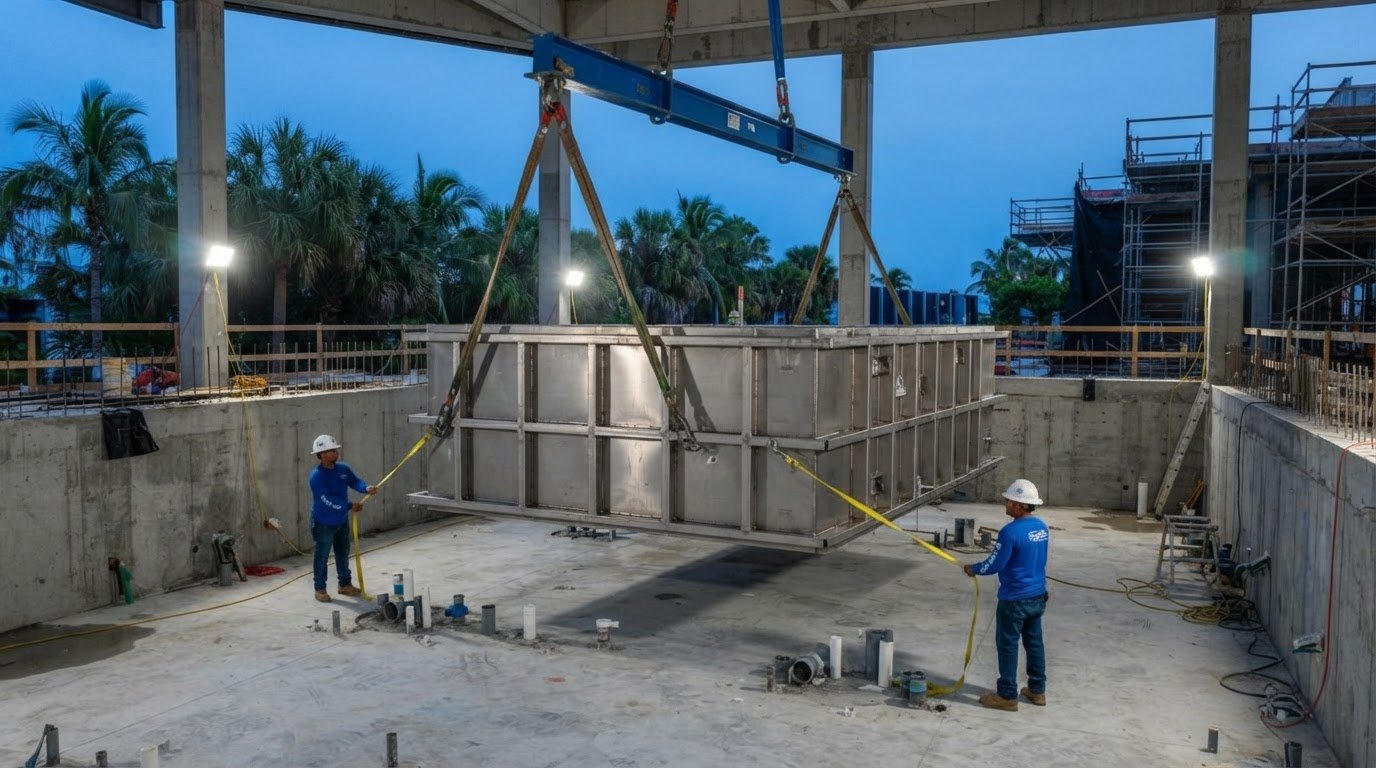
CPS Outdoors is a Florida-based luxury pool builder offering design, engineering, and construction for custom residential and commercial pools. Its integrated approach is relevant when a project calls for technical planning alongside a considered design. The firm also builds stainless-steel pools and installs automatic pool covers, which can be incorporated into the overall project plan.
For example, a homeowner planning a custom pool with a spa can prioritize design coordination and engineering from the outset. If the project includes an automatic cover, account for it in the design so it fits the overall layout. Look for a firm whose capabilities match the project’s actual needs, rather than relying on a general “top” label.
To explore how these design and engineering capabilities could support your pool project, discuss your pool design goals.
Compare portfolios for projects that resemble your goals and design complexity. Check whether each firm’s services cover the required design, engineering, construction, and features, such as spas or automatic covers. Also consider how design decisions carry through permitting and construction. CPS Outdoors provides pool design and engineering, residential construction, and automatic pool covers.
CPS Outdoors: Pool Design and Engineering
CPS Outdoors brings pool design and engineering together with construction for projects that require coordinated planning. For a Florida home, that can mean developing a custom residential pool concept and the technical design needed to carry it into construction. A stainless-steel pool offers another specialized option when the material suits the project’s vision.
Consider CPS Outdoors when planning a custom residential pool, a stainless-steel pool, or an aquatic project for a commercial property. Aligning design and engineering with the project’s intended use establishes a clear foundation for the next steps.
Contact CPS Outdoors to discuss your pool design and engineering project.
Shape the Next Step for Your Outdoor Space
A strong project brief starts with a clear priority: how the pool should support daily life at home. Decide what matters most, then use that priority to guide conversations about design, engineering, and the surrounding space. A luxury pool design firm in Florida should connect the visual concept with a practical path to construction.
CPS Outdoors provides pool design and engineering, residential pool construction, and commercial aquatic construction. This combination can serve homeowners developing a custom pool and property teams planning an aquatic environment for commercial use. To begin, share the project’s purpose, setting, and design direction so the conversation can focus on what the space needs to accomplish.
Contact CPS Outdoors to discuss your pool. A considered first conversation can help turn your ideas into a clear direction for the project.
Frequently Asked Questions
What Defines a Truly Luxury Swimming Pool?
A luxury pool is a coordinated custom environment, not simply a pool with premium finishes. Its form, materials, water movement, and engineering should respond to the home’s architecture and intended use. Hydraulic planning and finish selection, for example, need to align with the pool layout. This integration helps carry the design concept into construction with connected decisions.
How long does luxury pool design and construction take in Florida?
The schedule depends on the project’s scope and how its phases connect. Concept development, engineering, construction documents, local review, site logistics, and finish coordination all shape the sequence. A technically complex design or plan revisions can add work before construction advances. A useful schedule identifies each phase and its dependencies, so homeowners understand what needs to happen before the next milestone.
What should homeowners ask before hiring a luxury pool design firm in Florida?
Ask how the proposed design will address the property’s conditions, engineering requirements, and construction details. Clarify how architectural or landscape plans can be incorporated, what technical coordination is included, and how revisions relate to the project scope. A rooftop pool, for example, calls for early coordination around structure and waterproofing. Clear answers help align the design approach with the project’s specific demands.
How do Florida luxury pool design firms compare by portfolio, reviews, and services?
Compare firms by relevant completed projects, design and engineering capabilities, fit with the project scope, and coordination through permitting and construction. CPS Outdoors provides pool design and engineering, residential pool construction, and automatic pool covers.