The cost of smart pool technology installation depends on the systems selected, the work involved, and the pool’s existing equipment. Adding a connected control has a different scope from integrating pumps, heating, lighting, and water care. There is no single price for every pool.
It is reasonable to ask whether the convenience justifies the investment. Smart controls can simplify adjustments and monitoring, but the right setup depends on which tasks you want to automate and how your equipment works together.
This guide explains what smart pool technology can control, from temperature and lighting to cleaning and water monitoring, and what affects installation costs. It also covers the differences between new construction and retrofits, where compatibility matters, and how to plan a practical system for a Florida pool.
Key Takeaways
- Identify which everyday tasks you want automated, from adjusting pool temperature and lighting to scheduling cleaning.
- See how smart plugs, Wi-Fi timers, and floating monitors can offer a focused entry point into connected pool controls.
- Understand how equipment compatibility and existing infrastructure shape the scope of a more integrated system.
- Explore how CPS Outdoors’ pool design and engineering can incorporate smart-system considerations into a new pool project.
1. Automated temperature, lighting, and cleaning controls
Smart pool technology connects equipment to controls that automate or coordinate pool functions. Features may include heater scheduling, app-controlled lighting, robotic cleaning, water monitoring, and chemical dispensing.
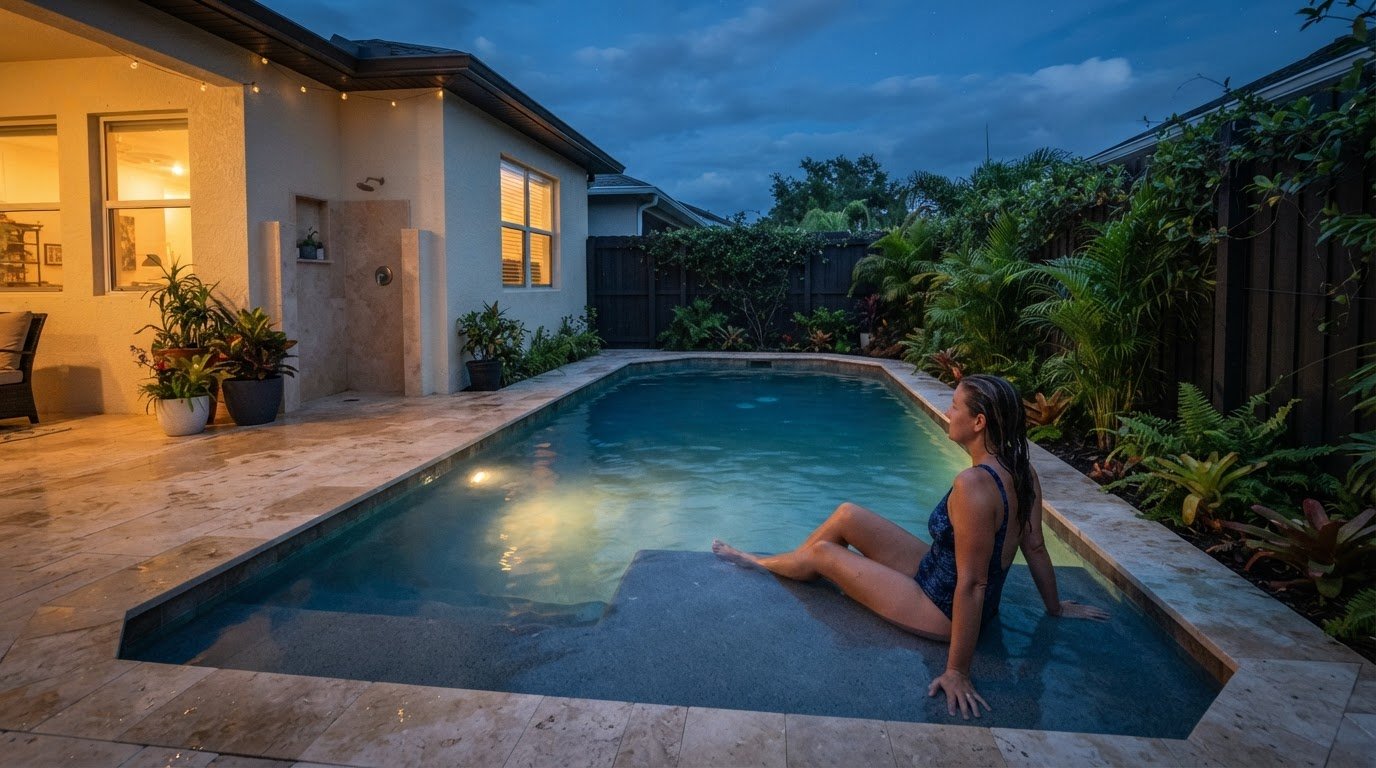
Wi-Fi-enabled heaters let owners adjust water temperature remotely through a smartphone or tablet. Scheduling and presets can align heating with planned pool use. Smart LED lighting can adjust color, brightness, and timing through an app or compatible smart-home hub. For example, you can choose a color and schedule the lights to turn on for an evening swim.
Robotic cleaners can map and clean pool floors, walls, and waterlines automatically. Depending on the device, features may include scrubbing, vacuuming, filtering, scheduled cycles, and app control. Scheduled cleaning can reduce hands-on effort, while a smart pool monitor can send a smartphone notification when it detects an issue.
Water-care controls can pair a monitor with an automated chemical dispenser. The monitor tracks water chemistry, and the dispenser can release sanitizer based on monitored levels. This links chemical management with the broader automation system instead of treating each device separately. Owners still need to review water conditions and use that information to guide pool-care decisions.
A central control hub or app can bring connected equipment into one interface. Depending on the devices installed, this may include pumps, heaters, lighting, covers, and chemical controls. Amazon Alexa and Google Home may also support voice commands for compatible features, such as lighting or temperature. Wi-Fi enables remote app access, and some systems continue programmed schedules during temporary internet outages.
For a practical installation, start by identifying the functions that matter most: temperature, lighting, cleaning, or water care. Then consider how each device connects to the control hub and whether app access fits your routine. Smart controls can reduce manual adjustments, but the selected features determine how much of the pool experience is automated.
2. Is smart pool technology expensive to install?
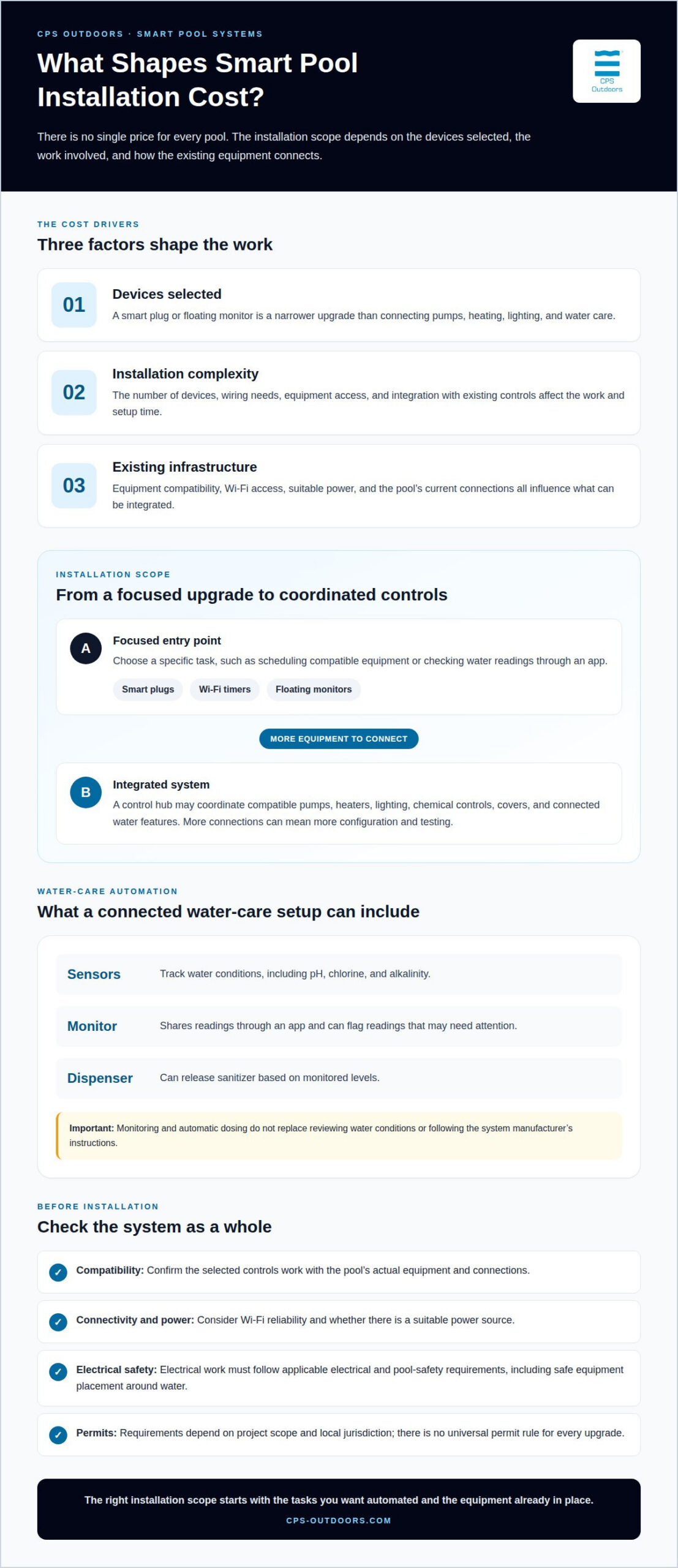
The cost of smart pool technology installation depends on the devices selected, installation complexity, and existing infrastructure. A smart plug or floating monitor is a narrower upgrade than connecting several pieces of pool equipment. Compatibility, Wi-Fi access, and a suitable power source also affect the work involved.
Smart plugs and Wi-Fi timers can add basic automation to compatible equipment, such as scheduling a pump. Floating water monitors offer another straightforward option, measuring water conditions and sharing readings through an app. These devices make routine information easier to access without requiring a fully integrated control system. Choose based on whether you want scheduling, water-quality data, or both.
More advanced water-care setups combine chemical sensors, a monitor, and an automated dispenser. Sensors can track pH, chlorine, and alkalinity, while app alerts flag readings that may need attention. A dispenser can release sanitizer based on monitored levels. Automation supports routine pool care, but readings and alerts do not replace attention to water conditions or the manufacturer’s instructions.
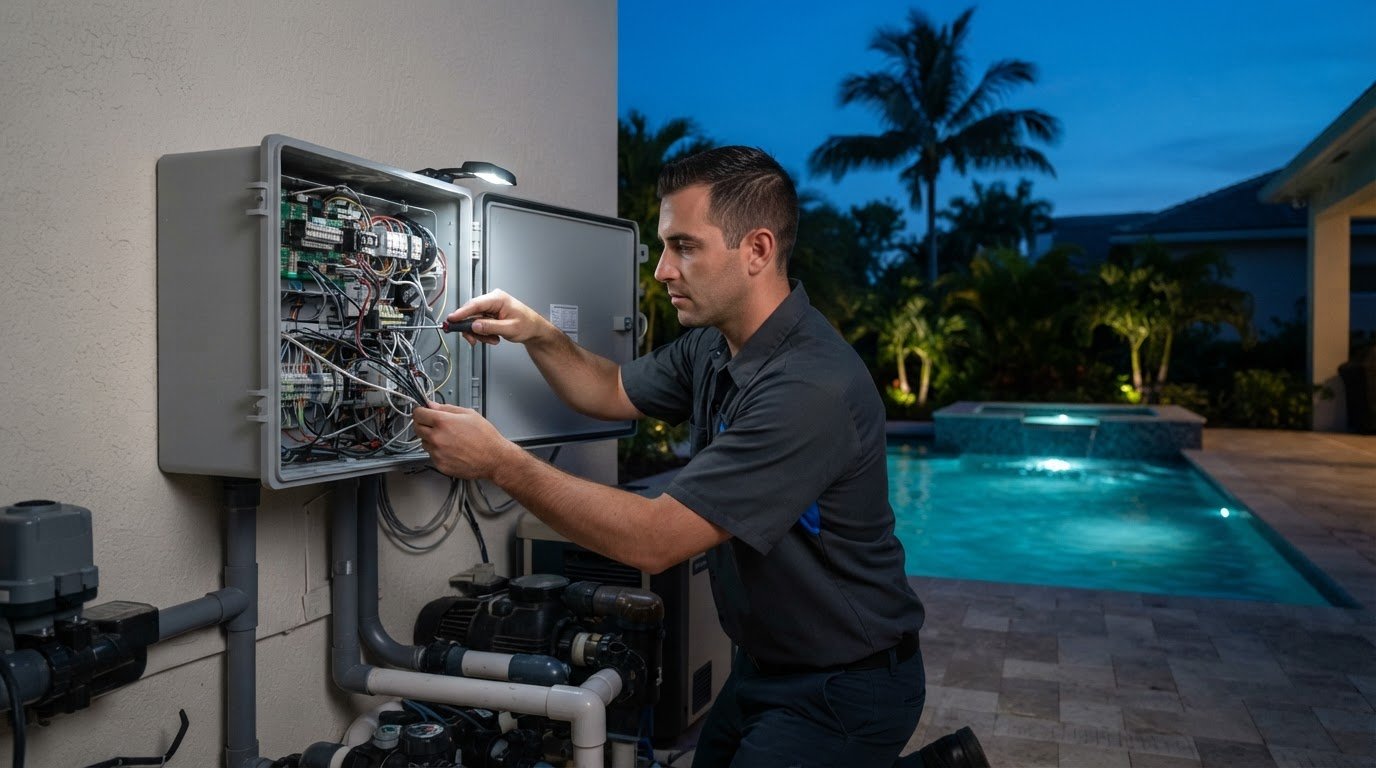
Electrical work must follow applicable electrical and pool-safety requirements, including safe equipment placement around water. Permit requirements depend on the project scope and local jurisdiction, so there is no universal permit rule for every upgrade.
Installation time varies with the number of devices, wiring needs, equipment access, and integration with existing controls. A floating monitor may need little setup, while connecting sensors, a dispenser, and a control system takes more configuration and testing.
Common challenges include incompatible equipment, unreliable Wi-Fi, unsuitable power, or sensor readings that do not match water conditions. Assess the system’s components and connections together before installation. This helps identify integration issues early and ensures alerts, schedules, and controls work as intended.
3. Automating pumps, temperature, chemicals, spas, lighting, and water features
A central pool automation system can coordinate pumps, heaters, lighting, chemical controls, and connected water features. Owners can schedule equipment and manage several functions through an app or control hub. Compatible spa equipment may also join the system, creating a more seamless routine across the pool and spa.
Compatibility depends on the existing equipment, its connections, and the controls supported by the automation system. A system designed to communicate with a pump or heater may not work with every model in the same way. For a retrofit, assess the equipment and infrastructure together so the selected controls can integrate with the pool’s actual components.
Automation can coordinate operating schedules instead of leaving each device on a separate timer. For example, a pump schedule can align with planned pool use, while connected controls manage heater settings and lighting. Scheduling may reduce energy use, but the effect depends on the equipment and how it operates.
Water-care automation adds another layer. A monitor can measure pH, chlorine, and alkalinity, while a connected dispenser adjusts sanitizer based on readings. Alerts can draw attention to imbalances, but monitoring and automatic dosing do not remove the need to review water conditions and follow the system’s instructions.
Robotic cleaners can handle scheduled cleaning, and app controls can bring cleaning plans into the broader system. Smart lighting can adjust color, brightness, and timing. Apps can also control connected water features remotely, helping owners coordinate the pool’s appearance and operation for an evening swim.
A retrofit may be possible without major construction, but the cost depends on the selected devices, installation complexity, and existing infrastructure. Start by identifying which equipment needs coordinated control, then assess compatibility across pumps, heaters, sensors, lights, and water features. This defines an upgrade around practical needs instead of adding automation without a clear purpose. The right configuration depends on the pool.
A central pool automation system with supported controls can integrate pumps, heaters, lights, and water-care devices such as monitors and dispensers. Compatibility varies according to equipment models, connections, and the controls the system supports.
4. Smart pool technology installation costs
Smart pool technology installation costs depend on the devices selected, installation complexity, and existing infrastructure. A floating monitor has a different scope from a system linking pumps, heaters, lighting, and chemical controls. The main cost consideration is how many components need to be connected, configured, and tested.
These devices can add scheduled control or water readings without integrating every pool function. They may suit owners who want a focused first step, such as monitoring water quality before investing in broader automation.
A full automation system with a control hub, smart pump, heater integration, and lighting controls may cost into the low thousands of dollars. This broader setup coordinates several devices through a central interface. Adding sensors or automated chemical dosing changes the scope and can increase installation complexity.
Existing equipment matters. A retrofit may require compatibility work between the pump, heater, sensors, and control hub. Wi-Fi access and a suitable power source can also affect device selection and setup. When planning a new pool, incorporating controls into the equipment design may reduce the need to adapt an existing system later.
Energy efficiency and convenience can inform the decision, but savings depend on how the equipment operates. Adjusting pump run times, for example, may affect energy use, while automated monitoring can flag chlorine or other water-quality concerns. Neither outcome guarantees a payback. Compare each device’s expected function with its upfront and installation costs.
To define the scope, group devices by purpose: control, monitoring, cleaning, or water care. Then account for the equipment already in place and the connections required. A project-specific price depends on these factors and is provided after a quote request. This keeps the estimate tied to the actual pool rather than a generic package.
CPS Outdoors: Stainless Steel Pools
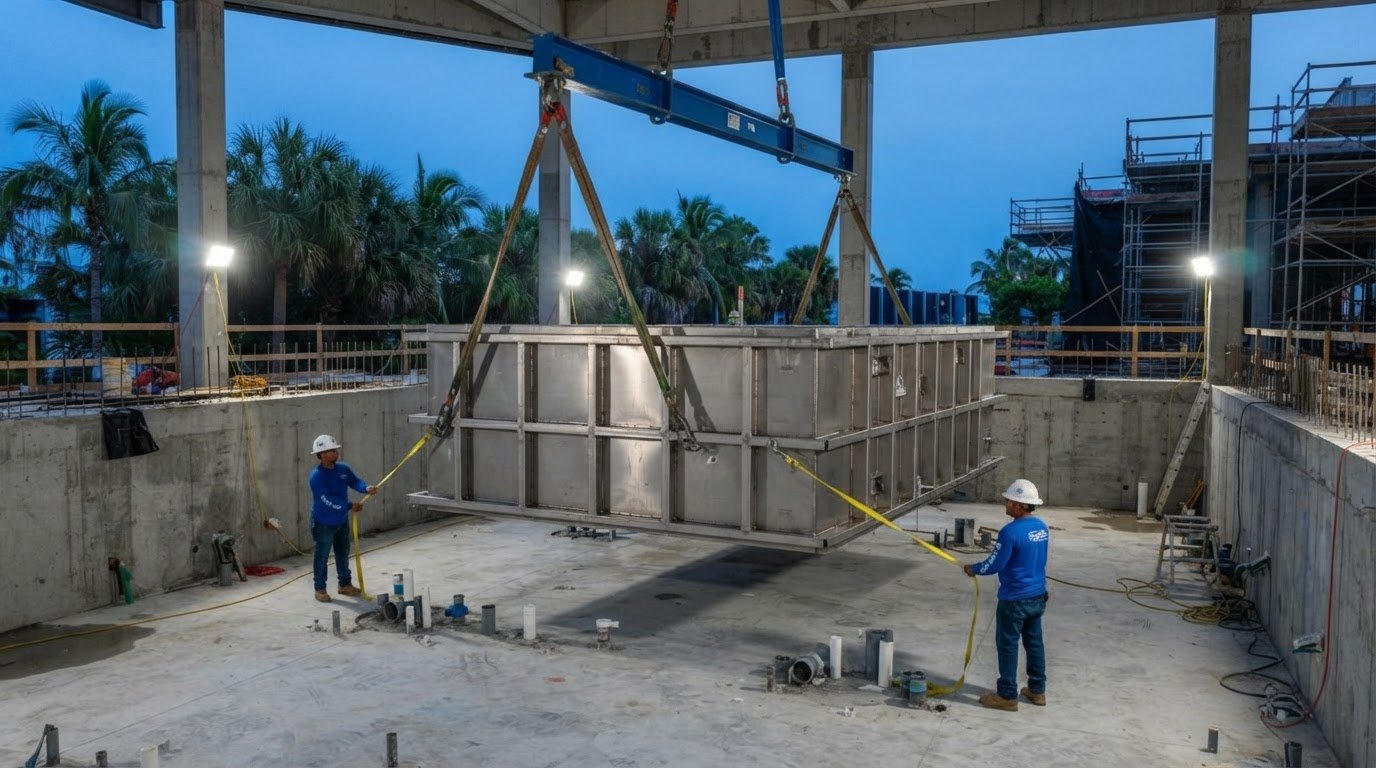
CPS Outdoors brings pool design and engineering together with residential pool construction and commercial aquatics. When planning a new pool, consider how automation, equipment, and the overall design should work together. Coordinating these decisions early helps define the scope for connected controls instead of treating technology as an afterthought.
CPS Outdoors also designs and builds custom stainless-steel pools. The right technology plan depends on the pool’s intended use and selected equipment, whether the project is residential or commercial. Discussing those goals during design helps frame decisions about pumps, heating, lighting, and other connected systems in the context of the complete pool.
If you are planning a new pool or substantial project, contact CPS Outdoors to discuss your design and engineering needs.
Plan a Pool Around the Way You’ll Use It
Start by defining how the pool should fit your daily routines, entertaining plans, and long-term design goals. That vision can guide decisions about which features need integrated controls and how the complete environment should function. Thoughtful planning makes smart pool technology installation part of a broader design strategy, not a collection of disconnected upgrades.
CPS Outdoors provides residential pool construction, commercial aquatics, and pool design and engineering. Whether you are shaping a residential retreat or planning an aquatics project, align the pool design with the experience you want to create. A clear brief on intended use and priorities gives the planning conversation a practical starting point.
Contact CPS Outdoors to plan your pool and explore a considered direction for your project. The right design begins with your vision.
Frequently Asked Questions
Is smart pool technology expensive to install?
A smart pool upgrade can be modest or involve broader integration, depending on the scope. A pool with compatible equipment may need fewer changes than one requiring new connections or coordinated controls. Weigh the value of each function, such as remote temperature adjustment or water monitoring, against installation complexity. Prioritize features that address daily needs rather than adding devices without a clear purpose.
Are smart pool gadgets compatible with older pools?
Many smart devices can be retrofitted to older pools without major construction, but compatibility depends on the existing equipment and infrastructure. A connected monitor, for example, may be simpler to add than controls that must communicate with a pump and heater. Wi-Fi and a compatible power source may also be needed. Assessing the equipment together helps define a suitable upgrade path.
Can I control my pool with Alexa or Google Home?
Yes, compatible pool automation systems can connect with Amazon Alexa or Google Home. Available voice controls depend on the equipment and integration, but may include functions such as adjusting pool lighting or temperature. A compatible setup, for example, could let you change a lighting setting by voice instead of opening the pool app. Device compatibility determines which functions are available.
Can I control my smart pool with voice commands?
Yes, voice control is possible when the pool system and smart-home platform support the same functions. A voice assistant can provide an alternative to app controls for connected features such as pool lights or temperature settings. Not every device or task will respond to voice commands. Use the system’s app for functions that are not voice-enabled.
Do smart pools require internet connectivity?
Wi-Fi is generally needed for mobile app control and remote monitoring, so a reliable connection supports access away from the pool. Some systems can continue following programmed schedules during a temporary internet outage. Scheduled equipment operation may continue, while remote app functions or notifications could be unavailable until connectivity returns. Offline functions depend on the system.
Does a smart pool save money on electricity?
Smart technology can help manage electricity use, but savings depend on the equipment and operating schedule. Variable-speed pumps use less electricity than traditional single-speed pumps, and automation can coordinate run times with pool use. Reviewing pump schedules and heater settings, for example, may reveal opportunities to reduce unnecessary operation. The technology does not guarantee lower bills, since usage patterns and equipment affect energy consumption.