A remarkable aquatic concept is only as strong as the engineering and construction behind it. For owners comparing high end aquatic facility builders Florida offers, the central question is not simply who can create an impressive design, but who can carry it through to a functional facility suited to its users and site.
Architects, pool builders, and integrated aquatic construction teams bring different capabilities. For complex commercial projects, look for clear coordination between design intent and technical execution. Florida site conditions, project requirements, and permitting considerations can also shape how a facility is planned.
This guide explains how to assess project fit, compare capabilities, and prepare a useful brief. It covers design, engineering, construction coordination, and Florida-specific considerations, including where stainless steel pools and moveable pool floors may fit. CPS Outdoors provides aquatic design, engineering, and construction for tailored residential and commercial projects in Florida.
Key Takeaways
- Understand how commercial aquatic facilities differ from residential pools in intended use, operational needs, and project scope.
- See how design, engineering, and construction coordination can turn a strong concept into a considered, functional facility.
- Use a project-fit framework to assess how high end aquatic facility builders Florida address your site, use case, and long-term operational needs.
- Build a clear project brief by defining users, priorities, site conditions, and desired aquatic features before moving forward.
- Explore how CPS Outdoors brings aquatic design, engineering, and construction together, with specialist features tailored to the wider project vision.
What High-End Aquatic Facility Builders in Florida Actually Deliver
A high-end aquatic facility builder connects design, engineering, and construction, aligning the intended experience with the site and facility requirements. The role is broader than building a pool: it involves translating the project brief into an aquatic environment where the layout, features, and construction decisions work together. As this general introduction to swimming pool design and construction illustrates, pools vary in form and purpose. A complex facility calls for decisions shaped by its specific use.
Aquatic construction specialist: “A partner who connects aquatic design, engineering, and construction so a facility’s intended use, site, and built form are considered as one project.” This distinguishes an integrated aquatic scope from one focused on pool construction alone. The right fit depends on the project’s complexity and the coordination it requires.
Luxury is not a finish schedule by itself. It combines considered design with technical coordination, operational priorities, and site-specific decisions. A striking concept must also suit its users, circulation, surrounding spaces, and intended patterns of use. For owners comparing high end aquatic facility builders Florida, the meaningful measure is how well the project brings its vision and practical requirements together.
Commercial aquatic facilities serve more than one kind of project
Commercial facilities can serve hospitality guests, community users, institutional programs, or residents sharing a property. These are different project types, not interchangeable templates. A hospitality setting may prioritize a guest experience, while an institutional program may have distinct user and scheduling needs. Define the intended audience before choosing features.
In your brief, identify user groups, anticipated capacity, programming, and operating priorities. Consider how people will approach and move through the aquatic area, which activities it should support, and which adjacent spaces matter. These factors help shape the layout and project scope. CPS Outdoors brings aquatic design, engineering, and construction together for tailored commercial and residential projects.
Why Florida project conditions belong in the brief
Florida sites vary. Coastal exposure, inland conditions, drainage, and weather can all influence design choices and construction planning. Their relevance depends on the property, so document what is known about the site before setting the design direction. Note site access, surrounding uses, grade changes, and where water needs to move across the property.
Permitting and code obligations are also project-specific. Verify current Florida and local requirements for the proposed facility instead of assuming they match another project. A useful brief records site constraints and intended use alongside the design vision. This gives design, engineering, and construction a shared starting point and keeps the concept grounded in the conditions it must serve.
Design, Engineering, and Construction Capabilities to Assess
Assess capabilities as a connected process, not a menu of attractive features. Start with the facility’s activities, user experience, site constraints, and operating priorities. Those decisions guide the aquatic layout and feature selection. Engineering develops the concept into coordinated project requirements, and construction planning translates those requirements into a buildable scope.
Coordinated design and engineering connect the intended experience to the site, technical decisions, and construction plan. For owners evaluating high end aquatic facility builders Florida, this connection matters: gaps between concept, engineering, and construction can leave important decisions unresolved. CPS Outdoors brings aquatic design, engineering, and construction together for tailored commercial and residential projects.
From facility goals to an engineered aquatic concept
Define who will use the facility, which activities it should support, and how people should move through it. Add known site constraints and operational priorities. These inputs help guide design decisions early, grounding engineering and construction planning in the actual use case rather than appearance alone.
Operational goals can influence pool placement, circulation routes, material choices, and the relationship between aquatic and surrounding spaces. For more on design and project coordination, explore CPS Outdoors’ commercial aquatic design and engineering guide. The CDC’s Model Aquatic Health Code for aquatic facility design is another reference for aquatic facility guidance. Project-specific requirements still need to be considered separately.
Specialist features and material choices
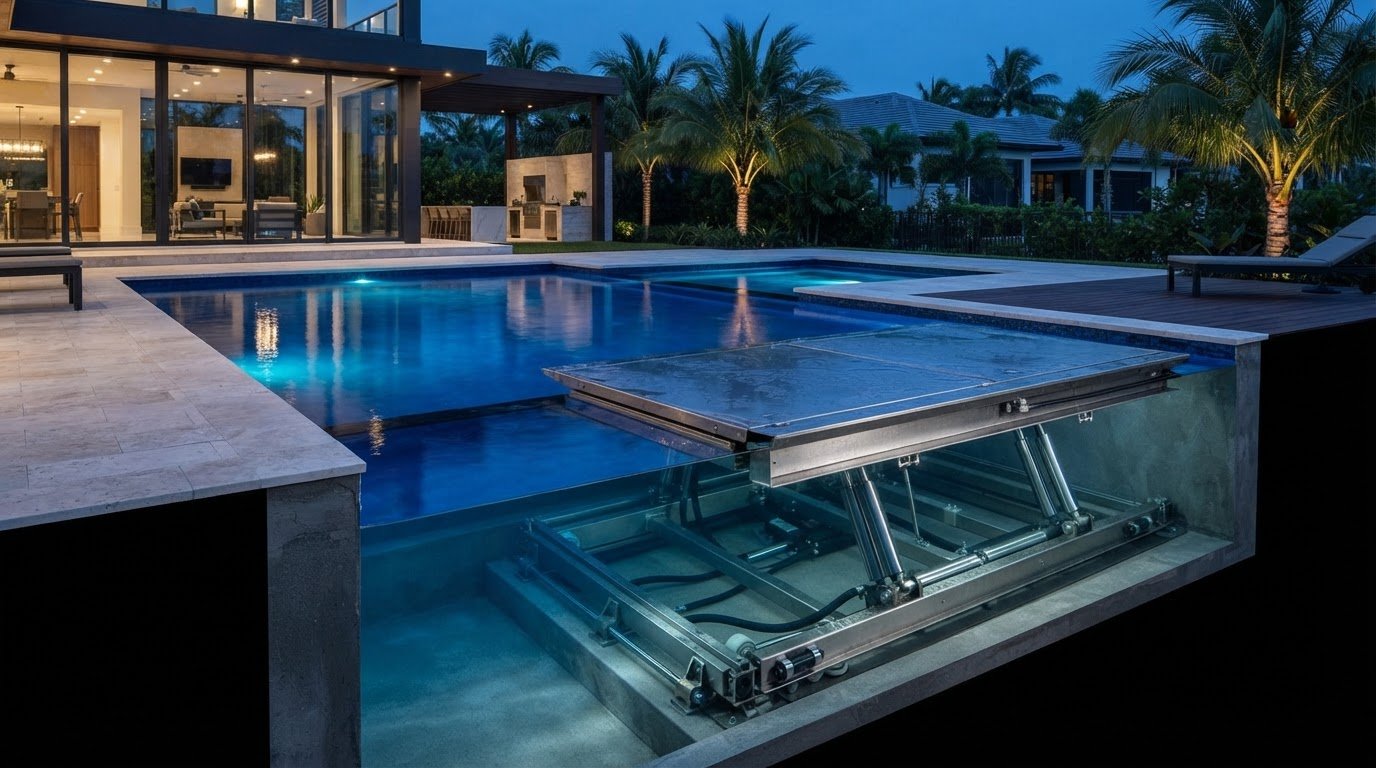
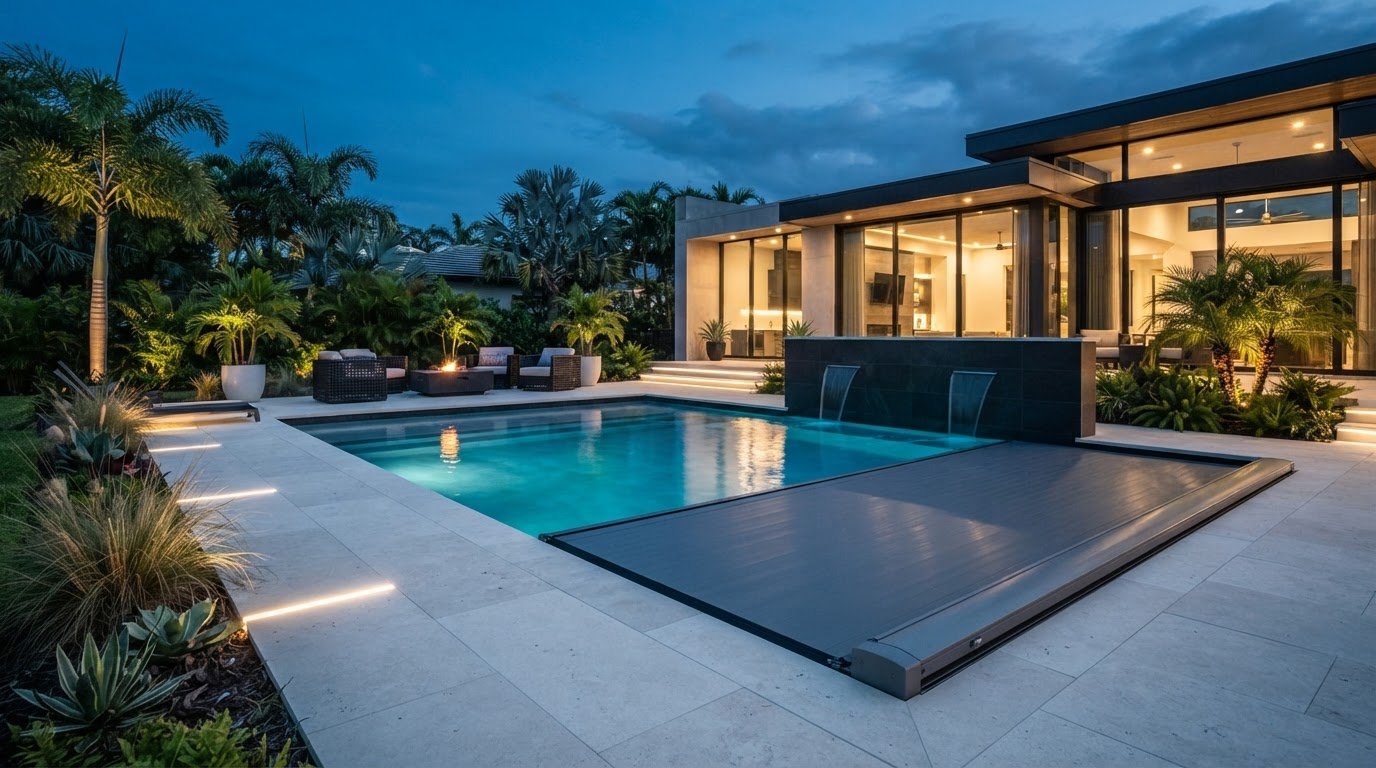
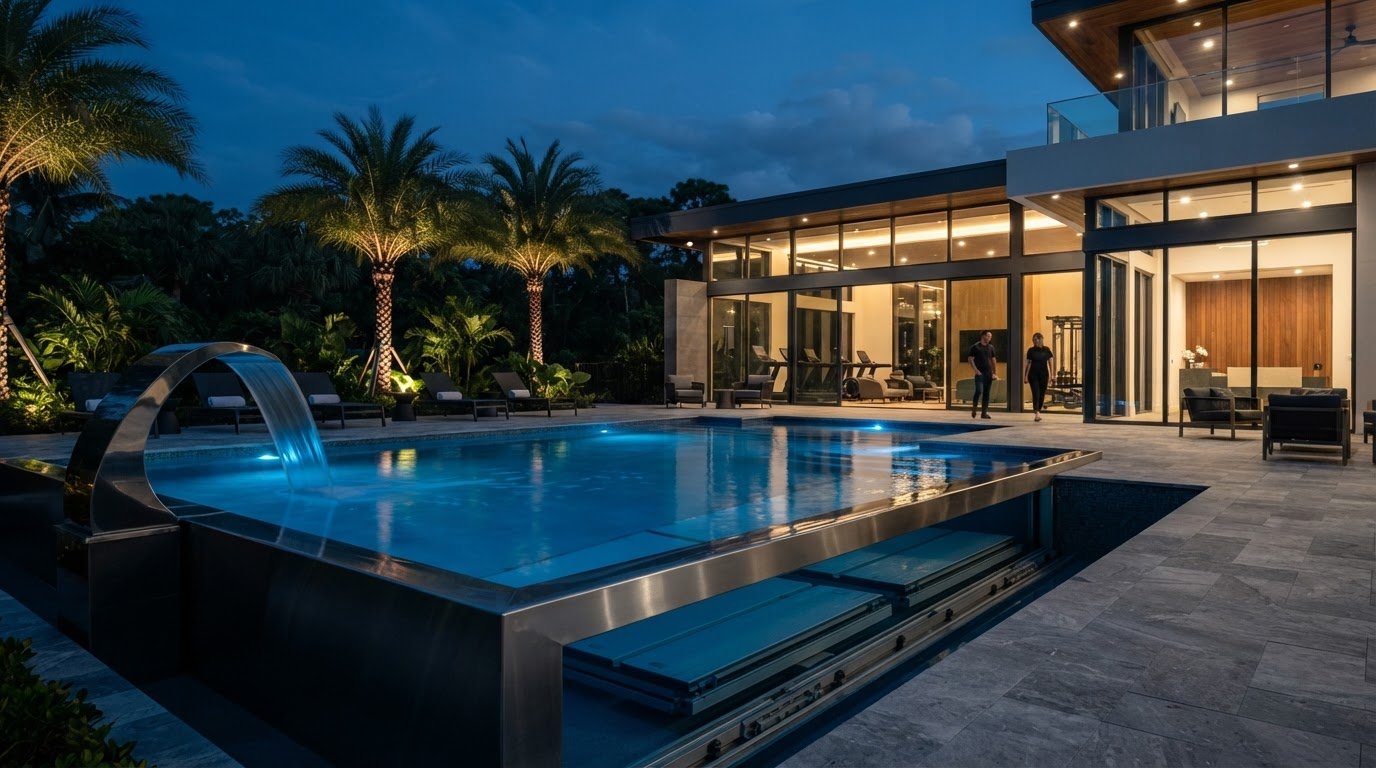
Specialist systems should address a defined project need, rather than appear on a specification simply because they are available. CPS Outdoors’ capabilities include stainless steel pools, moveable pool floors, and automatic pool covers. Their suitability depends on the facility brief and how each feature fits the overall design, engineering, and construction scope.
For example, consider a moveable pool floor when flexible use is part of the brief. A stainless steel pool may suit the chosen material direction, while an automatic cover may form one part of the overall plan. Each option has different implications for the project. Choose features according to intended use and design priorities. For more context on material options, explore the stainless steel pool engineering guide.
Before settling on specialist features, record the desired activities, user experience, site conditions, and operational priorities. CPS Outdoors can tailor aquatic design, engineering, and construction around those goals. Start with what the facility needs to do, then consider how its design can support that purpose.
How to Compare Florida Aquatic Facility Builders for Project Fit
A compelling portfolio can show design sensibility, but it cannot establish by itself whether a team is suited to your facility’s technical demands. Look beyond images: compare how the proposed scope matches your users, how design and engineering decisions are coordinated, and how site conditions enter the planning. For owners reviewing high end aquatic facility builders Florida, project fit matters more than visual similarity alone.
Use the same framework to assess each approach. The following prompts help you evaluate alignment with your brief; they are not a ranking of providers.
| Comparison area | What to assess | Project-fit signal |
|---|---|---|
| Aquatic specialization | Does the proposed scope address the aquatic facility itself, including its intended users and features? | The aquatic requirements are central to the plan, not treated as a small part of a broader concept. |
| Design and engineering coordination | How do design choices inform engineering and construction planning? | There is a clear connection between the facility vision, technical decisions, and build scope. |
| Relevant project scope | Does the experience relate to the type and complexity of your project? | The work demonstrates relevant aquatic construction capabilities, not aesthetics alone. |
| Site and operation | How are site conditions, intended use, and ongoing operational priorities reflected? | Project decisions respond to the specific property and facility brief. |
Compare delivery capability against the facility brief
Start with the project’s users, activities, desired features, and operating model. Then compare the proposed scope against those priorities. A design-led approach may emphasize spatial vision; a construction-led scope may focus on delivery; an integrated aquatic approach connects design, engineering, and installation. Clarify how responsibilities coordinate so decisions made at one stage carry through to the next.
CPS Outdoors provides custom aquatic design, engineering, and construction for commercial and residential projects. Its approach brings those capabilities together around a tailored project brief, rather than treating a feature or finish as a substitute for overall fit.
Evaluate Florida context without assuming every site is alike
Florida conditions vary by property. Coastal exposure, drainage, weather, and other site characteristics can affect planning, but their relevance depends on the location and project. Assess the actual site rather than relying on broad assumptions about Florida construction.
Applicable building codes, accessibility standards, and permits also depend on project details and jurisdiction. Verify current requirements for the facility being planned. Do not assume another project’s approvals or design decisions transfer to yours. A useful comparison records what is known about the site, what needs further review, and how those factors inform the scope.
Use the framework to see where an approach aligns with your priorities and where the project brief needs clarification. CPS Outdoors tailors aquatic design, engineering, and construction to a Florida project’s intended use and site. Explore CPS Outdoors’ aquatic project capabilities as you define the right fit.
Build a Florida Aquatic Facility Brief Before You Commit
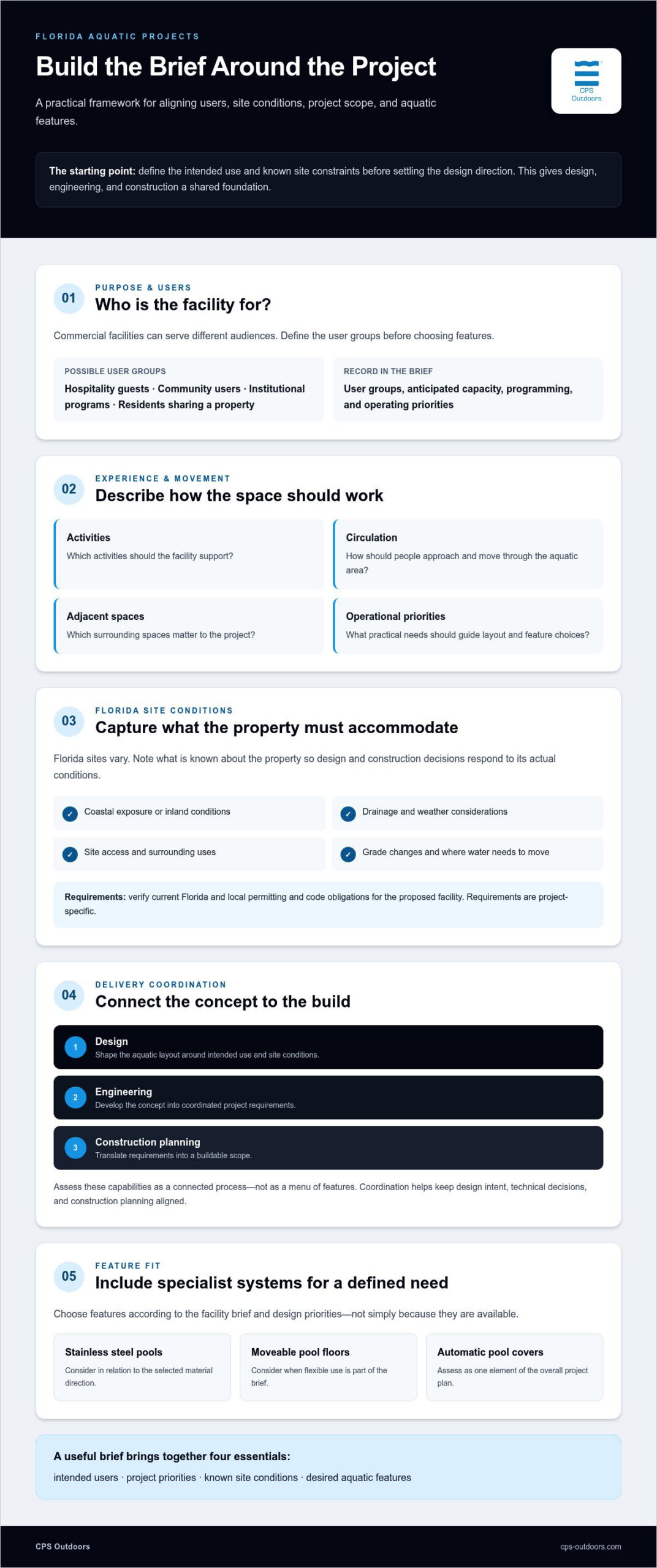
A clear brief gives design, engineering, and construction teams a shared starting point. It also helps owners comparing high end aquatic facility builders Florida turn an initial vision into useful project information. Use this sequence to record what the facility must do, what is known about the site, and which questions need project-specific review.
Define the facility’s use and performance priorities
Start with purpose. Describe who the facility is for, how it will be used, and what a successful experience should support. Separate essential requirements from enhancements so design decisions can be made in order.
- Identify users and activities. Note the intended user groups, planned aquatic activities, and how the facility may be used at different times. Describe expected patterns of use where relevant, without assuming every user needs the same experience.
- Set priorities. List the outcomes that matter most, such as the character of the space, flexibility of use, or relationship between aquatic and surrounding areas. Mark each desired feature as essential or optional.
- Record operational and accessibility objectives. Describe how the facility is expected to function day to day, including movement through the space and priorities that matter to its operation. Note accessibility goals for review against current requirements applicable to the specific project.
Document site information and project constraints
Collect what is known about the property. The brief does not need to resolve every technical question; it should distinguish confirmed information from items requiring further review. This is especially useful for Florida projects, where coastal and inland sites may present different conditions.
- Gather available site records. Include property plans, existing drawings, and known information about utilities, access, grade, and adjacent spaces. Note where construction access or nearby structures may affect planning.
- Describe site conditions and open questions. Record whether the property is coastal or inland, along with known drainage and weather considerations. List questions about applicable codes, accessibility standards, and permits for current, project-specific review rather than relying on assumptions from another site.
Bring the brief, plans, and open questions into the first project discussion. A design-and-build partner can use this foundation to shape a tailored aquatic scope, assess how desired features relate to the site, and identify where further project review is needed. CPS Outdoors provides aquatic design, engineering, and construction for commercial and residential projects in Florida.
Discuss your Florida aquatic project with CPS Outdoors and use your brief to begin shaping a coordinated project direction.
Partner with CPS Outdoors on a Tailored Florida Aquatic Project
Choosing among high end aquatic facility builders Florida offers comes down to project fit. Start with the facility you intend to create, not a predetermined package of features. CPS Outdoors designs, engineers, and installs high-end residential and commercial aquatic projects in Florida, bringing those capabilities together in a tailored project scope.
A design-build perspective for complex aquatic work
For a commercial aquatic project, design, engineering, and installation need to relate to the same brief. The facility’s purpose, site, users, and desired experience inform the design direction. Engineering and construction planning then develop that direction into a considered aquatic project. CPS Outdoors brings these disciplines together around the project’s priorities.
Specialist features can be considered as part of the wider design rather than treated as default additions. CPS Outdoors’ capabilities include stainless steel pools, moveable pool floors, and automatic pool covers. Whether a feature suits a particular project depends on its intended use, site, and design priorities. Each element should support the brief, not distract from it.
This tailored approach also applies to custom pools and renovations. The desired character of the aquatic space, its relationship to the surrounding environment, and the scope of the work all shape the project. CPS Outdoors develops aquatic projects around the requirements and direction of each brief, rather than assuming every facility needs the same configuration.
The next step for a Florida facility project
Before beginning a project discussion, gather the information that gives the concept context. A concise outline is enough to establish a useful starting point. Include:
- Facility purpose: the activities and experience the aquatic space should support.
- Users: the intended user groups and how they will engage with the facility.
- Site: the Florida property location and known site conditions or constraints.
- Priorities: essential project goals, operational considerations, and desired features.
These details focus the initial conversation on your project. If you’re considering a stainless steel pool, moveable pool floor, or automatic cover, include why it interests you and how you envision it fitting the facility. CPS Outdoors can discuss the project in relation to its intended use, site, and design direction. Applicable technical and jurisdictional requirements can be considered in the context of the specific project.
Bring your vision and project priorities to CPS Outdoors to begin shaping a tailored design, engineering, and construction direction. Discuss your Florida aquatic project with CPS Outdoors.
Give Your Aquatic Vision a Clear Direction
The next step is not choosing the most elaborate feature or resolving every detail. Decide what the facility must make possible, then use that priority to guide the choices that follow. A clear project brief gives conversations with high end aquatic facility builders Florida a purposeful focus: which ambitions belong at the center, which can remain flexible, and what needs site-specific consideration.
Keep those priorities visible as the project develops. A defined direction helps connect design decisions to how the space should be experienced and used, while leaving room to consider specialist options in context. A distinctive facility does not need every possible feature. Each element should contribute to the larger intent.
Bring your vision, site information, and priorities to CPS Outdoors to start a conversation shaped around your project. Explore a tailored aquatic project conversation.
Frequently Asked Questions
What does a high-end aquatic facility builder do?
A high-end aquatic facility builder turns a project’s goals into a coordinated aquatic construction scope, connecting design decisions with engineering and installation. For example, a hospitality pool plan must account for more than visual character: the intended guest experience, surrounding spaces, and how people will use the facility all inform the design. The builder develops those project-specific considerations into a tailored aquatic environment.
How do I choose a commercial aquatic construction company in Florida?
Choose based on how closely a company’s capabilities match your project, not portfolio appearance alone. Compare high end aquatic facility builders Florida by the commercial aquatic work they undertake, how they coordinate design, engineering, and construction, and how their approach accounts for your site and intended use. A useful discussion connects your facility’s priorities to the proposed scope instead of treating a striking concept as proof of technical or operational fit.
What should a commercial aquatic facility project brief include?
Include the facility’s purpose, intended users, planned activities, and desired experience. Add available site plans, known access or utility constraints, and information about drainage or surrounding property conditions. Separate essential features from optional enhancements, and record operational and accessibility objectives for project-specific review. For instance, if flexibility is a priority, state which activities or configurations the facility should accommodate instead of simply listing a moveable floor as a desired feature.
Do Florida aquatic facility projects require permits?
Yes, permit and approval requirements can apply, but the specifics depend on the project and jurisdiction. Florida requires a building permit for construction, development, or modification of a public swimming pool; the permitting process also involves the Department of Health. This public-pool process does not necessarily apply identically to every aquatic project. Identify the facility type and location, then verify current requirements with the relevant Florida and local authorities before finalizing plans.
How do coastal conditions affect aquatic facility design in Florida?
Coastal conditions can influence site planning and material decisions. Exposure to salt-laden air, wind, and heavy rain may warrant attention when considering finishes, drainage, and the relationship between the pool and adjacent areas. The effects depend on the property, so coastal location alone does not determine a design solution. Document known exposure and drainage conditions, then consider them alongside the facility’s intended use and broader project requirements.
Can a commercial aquatic facility include a moveable pool floor?
Yes. A moveable pool floor can be considered for a commercial facility when adaptable use is part of the project’s goals. Its suitability depends on how the space is intended to function and how the feature fits the overall design and engineering scope. Define the activities or changes in use you want the facility to support, then assess the feature as part of the wider project brief. CPS Outdoors offers moveable pool floors as part of its aquatic capabilities.
What is the difference between an aquatic architect and an aquatic design-build firm?
An aquatic architect generally focuses on planning and design, while a design-build firm brings design together with construction delivery; the precise scope varies by firm. Some projects involve separate specialists, while an integrated aquatic team can coordinate design, engineering, and installation within its offering. Clarify who is responsible for each stage and how decisions pass between them. That distinction helps owners understand how the aquatic concept connects to the construction scope.