For the modern Florida estate, the traditional concrete pool is no longer the gold standard; it’s a structural liability waiting to happen. You recognize that a luxury property demands more than just a functional basin. It requires an architectural centerpiece, such as a precision-engineered stainless steel pool, that resists the relentless pressure of coastal environments and the inevitable shifting of the terrain. Maintaining a pristine aquatic environment shouldn’t involve a constant cycle of resurfacing, cracking, and leak repairs.
A stainless steel vessel represents the pinnacle of aquatic engineering, providing a leak-proof, permanent solution that concrete simply cannot match. This guide explores why discerning homeowners are moving toward high-performance alloys to achieve a sleek, modern aesthetic without the weight constraints of traditional masonry. You’ll discover how these bespoke systems align with the 2026 Florida Building Code while offering unmatched hygiene and structural flexibility. We will examine the precision engineering behind elevated installations, the integration of smart automation, and the long-term benefits of a vessel designed to last a lifetime.
Key Takeaways
- Marine-grade 316L stainless steel provides superior resistance to salt-air corrosion and structural stability during Florida’s seasonal soil shifts.
- A precision-manufactured stainless steel pool significantly reduces installation timelines and eliminates the long-term need for resurfacing or acid washing.
- Engineered steel vessels offer critical weight savings of up to 70%, making them the premier choice for luxury rooftop and elevated aquatic masterpieces.
- The bespoke design-build process enables the seamless integration of advanced technologies, such as moveable pool floors and automated safety covers.
The Rise of Stainless Steel Pools in Luxury Aquatic Architecture
A stainless steel pool is far more than a simple basin; it is a pre-engineered, high-performance aquatic vessel. Unlike Traditional Concrete Pools, these structures are meticulously manufactured in controlled environments and welded into a single, watertight unit. In 2026, the luxury residential market has undergone a fundamental shift. Homeowners and architects are moving away from the artisanal, often inconsistent, nature of on-site concrete pours in favor of precision-manufactured steel systems. This transition is driven by a discipline we define as aquatic engineering. It treats the swimming pool as a sophisticated mechanical component of the home rather than a simple landscaping feature.
The Material Revolution: Why Now?
The sudden dominance of metal in high-end design isn’t accidental. Recent advancements in CNC cutting and automated laser welding allow for perfect, microscopic seams that ensure absolute structural integrity. These technologies enable us to create complex geometries that would be impossible with masonry. Beyond the structural benefits, there’s a growing demand for the hygienic properties of non-porous surfaces. Stainless steel doesn’t harbor algae or bacteria, which reduces chemical reliance and provides a cleaner swimming experience. It’s the logical choice for modern estates where the pool is integrated directly into the home’s footprint or cantilevered over living spaces.
Aesthetic Flexibility Beyond the Industrial Look
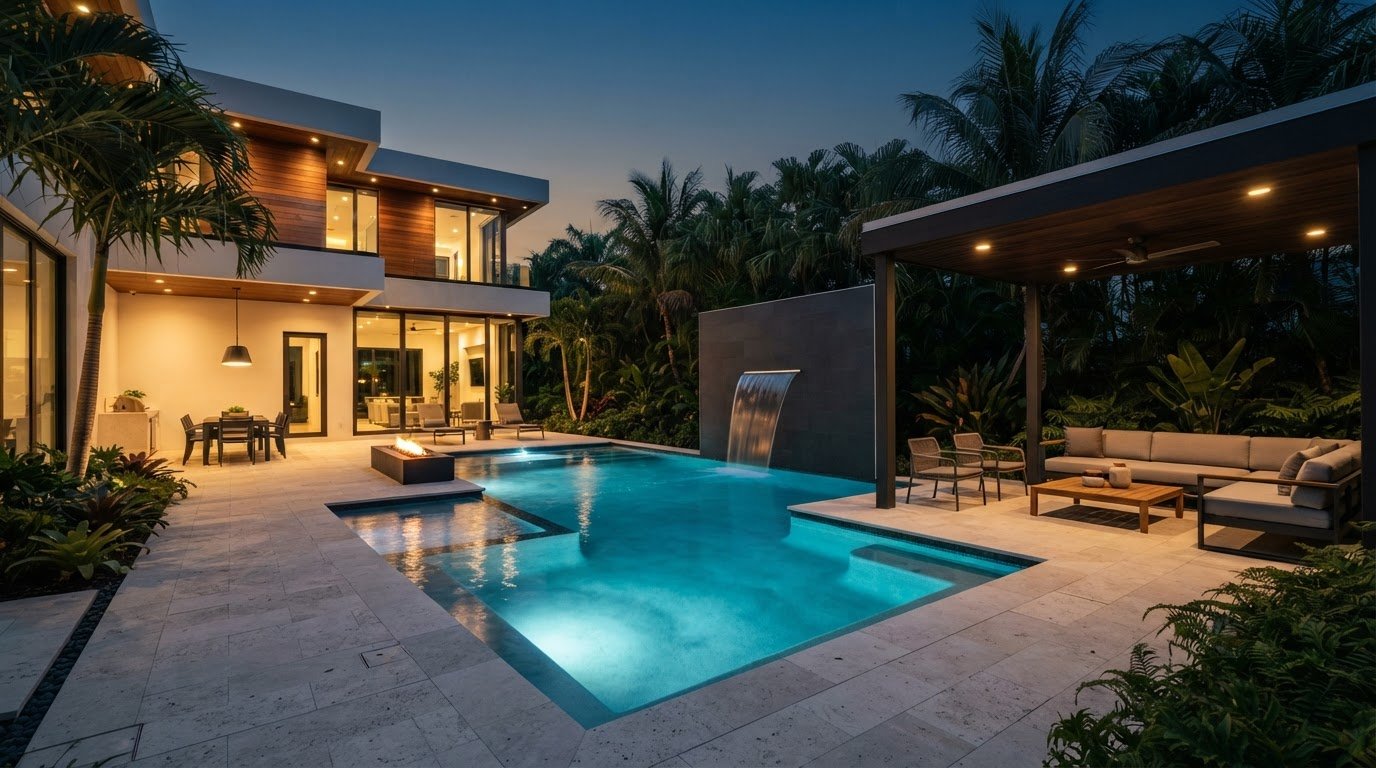
One common misconception is that a stainless steel pool must look like a commercial medical facility. In reality, the material serves as a versatile canvas for diverse luxury finishes. While many clients prefer the sleek, reflective quality of exposed polished steel, others utilize the metal shell as a foundation for intricate glass tiling or stone veneers. The aesthetic advantages include:
- Natural Light Reflection: Metal surfaces interact with sunlight to create a vibrant, shimmering water color that plaster cannot replicate.
- Seamless Integration: The thin-walled profile allows for a flush transition between the water’s edge and the surrounding deck.
- Bespoke Customization: Every component, from the stairs to the overflow gutters, is fabricated to the exact specifications of the architectural plan.
By choosing an engineered vessel, you aren’t just selecting a material; you’re adopting a superior construction methodology. This approach eliminates the variables of weather and human error that plague traditional builds, delivering a product that is as durable as it is visually striking. It’s a sophisticated solution for those who prioritize long-term performance and architectural precision over conventional methods.
The Engineering Advantage: Why Stainless Steel is Superior for Florida Estates
Florida’s unique geography presents a hostile environment for traditional aquatic construction. Between the corrosive salt air of the Miami coast and the unstable, shifting soil across the peninsula, a standard concrete pool often becomes a maintenance liability within years of installation. A precision-engineered stainless steel pool addresses these environmental failures through superior material science and structural unity. By utilizing a fully welded vessel, we eliminate the cold joints and porous surfaces where leaks typically begin in masonry. This single-piece philosophy ensures the pool acts as a unified structural element. It provides a level of durability that traditional gunite cannot replicate.
Marine-Grade Resilience in Coastal Environments
In South Florida, the atmosphere is saturated with chloride from the ocean. This makes the choice of alloy critical. We exclusively utilize 316L marine-grade stainless steel for all coastal installations to ensure long-term resistance to oxidation. 316L marine-grade stainless steel is the essential standard for coastal aquatic engineering, offering the molybdenum content required to prevent pitting and crevice corrosion in salt-heavy atmospheres. While 304-grade steel might suffice in inland states, it quickly fails in the Miami heat. Our engineering approach prioritizes these high-performance materials to maintain a flawless finish that never requires the abrasive acid washing or resurfacing associated with traditional pools.
Structural Stability and Seismic Resilience
Florida’s seasonal soil shifts and high water tables create significant hydrostatic pressure. Concrete is brittle; when the ground moves or settles, it cracks. Stainless steel possesses a high elastic modulus, allowing the vessel to flex slightly without losing its watertight integrity. This resilience is particularly vital in high-water-table environments where the risk of structural failure is elevated. Additionally, the weight-to-strength ratio of steel is vastly superior to masonry. A steel vessel provides immense structural rigidity while weighing up to 70% less than a comparable concrete structure. This lightness doesn’t sacrifice strength; it simplifies the foundation requirements and reduces the load on the surrounding terrain.
Integrating these advanced materials requires a deep understanding of pool design and engineering to ensure every weld meets the highest standards of the 2026 Florida Building Code. By choosing an engineered steel solution, you are investing in a permanent aquatic structure that remains unaffected by the environmental stressors that degrade traditional builds. It’s a sophisticated approach for property owners who demand an uncompromising level of quality and structural security.
Stainless Steel vs. Traditional Concrete Pools: A Comparative Analysis
Choosing between traditional masonry and modern metallurgy is a decision that defines the property’s lifecycle. While concrete has been the industry standard for decades, it remains inherently flawed due to its porous nature and susceptibility to environmental degradation. A stainless steel pool offers a departure from these limitations. It replaces the unpredictable variables of on-site masonry with the precision of factory-controlled fabrication. This shift ensures a level of quality and structural consistency that is impossible to achieve with hand-applied plaster or gunite.
Maintenance and Long-Term ROI
The financial profile of a high-end aquatic project extends far beyond the initial installation. Traditional concrete structures require a resurfacing cycle every seven to ten years to address staining, cracking, and aesthetic wear. Stainless steel eliminates this recurring expense. Because the material is non-porous, it creates a hostile environment for algae and bacterial growth. This leads to a significant reduction in chemical consumption and filtration run times. Plaster and aggregate finishes are naturally abrasive and porous, providing microscopic pockets where organic matter thrives. Steel remains smooth and inert, ensuring the water chemistry remains stable and the surface stays pristine. For a detailed breakdown of how these factors influence the total project value, consult our luxury swimming pool cost Miami guide.
Installation Speed and Site Impact
Construction fatigue is a common pain point for estate owners. A concrete build involves months of heavy machinery, dust, and noise as the shell is cured and finished on-site. In contrast, a stainless steel vessel is fabricated off-site and delivered as a single, pre-engineered unit. While a complex gunite project can easily consume four to six months of site time, a steel installation often requires only a fraction of that duration once the foundation is prepared. This “drop-in” methodology reduces the active construction window to a matter of weeks. The precision fit is particularly advantageous for tight urban footprints or rooftop projects where logistical efficiency is paramount. The off-site fabrication process allows for rigorous quality control testing, including hydrostatic pressure checks, before the vessel ever reaches your property. You receive a finished, high-spec product with minimal disruption to your daily life.
By prioritizing engineering over conventional construction, you secure a permanent asset that resists the typical signs of aging. The transition to steel isn’t merely an aesthetic choice; it’s a strategic investment in durability and hygiene. It provides a level of architectural freedom that concrete simply cannot support, especially when dealing with elevated or structurally sensitive environments.

Specialized Applications: Rooftop, Elevated, and Indoor Installations
Elevated environments demand a radical departure from standard masonry. Weight is the primary adversary in high-rise and rooftop architecture. A stainless steel pool provides a critical advantage, weighing up to 70% less than a concrete equivalent. This massive reduction in dead load is often the difference between a project being feasible or structurally impossible. For high-rise developments and Miami penthouses, steel is the only viable choice for luxury rooftop pool construction. It eliminates the need for massive, cost-prohibitive reinforcements to the building’s core, allowing for more ambitious architectural expressions.
Engineering for Elevated Masterpieces
Managing the interplay between static and dynamic loads is essential when placing thousands of gallons of water above living spaces. Our engineering process accounts for the movement of the building and the shifting weight of the water. We integrate the vessel directly with the structural steel beams of the home, creating a unified system. Unlike concrete, which can develop hairline fractures under stress, welded steel maintains a watertight seal. We also implement secondary containment systems. These act as a fail-safe, capturing condensation and providing an extra layer of protection for the interior. We have addressed several misconceptions about these specialized systems in our guide on debunking the myths of elevated pool construction.
Bespoke Lap Pools and Plunge Tanks
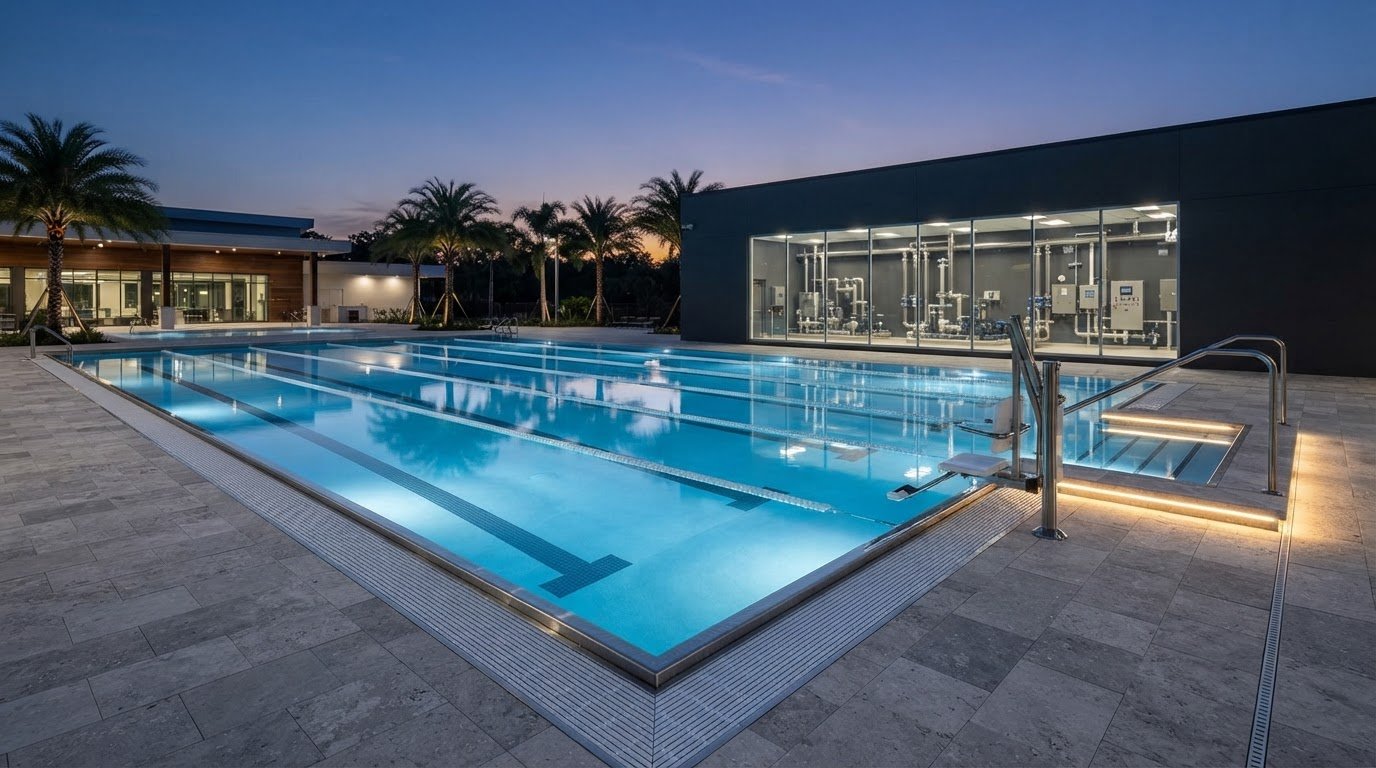
Fitness-focused installations require a level of precision that traditional plaster cannot provide. As specialized stainless steel lap pool builders, we fabricate vessels to sub-millimeter tolerances. This accuracy ensures that swim lanes and overflow gutters are perfectly level, which is critical for performance environments. Beyond structural precision, steel offers superior thermal efficiency. The material conducts and retains heat more effectively than masonry, making it the ideal choice for temperature-controlled plunge tanks or athletic recovery pools. For homeowners seeking compact, high-performance aquatic solutions, working with dedicated stainless steel plunge pool builders ensures that even the smallest vessel is engineered to the same exacting standards as a full-scale installation. Custom dimensions are easily achieved through our CAD-driven fabrication process, allowing for narrow lap pools or deep plunge tanks in footprints where concrete would be too bulky.
Beyond structural benefits, the “no-fail” nature of a welded vessel makes it the standard for indoor installations. The risk of a leak in an indoor environment is catastrophic; stainless steel mitigates this risk entirely. If you are planning an elevated or indoor project, our team can provide the specialized pool design and engineering expertise required for these complex installations.
Designing Your Bespoke Stainless Steel Pool with CPS Outdoors
Realizing a high-spec aquatic environment requires a seamless transition from architectural vision to mechanical precision. At CPS Outdoors, we treat every stainless steel pool as a sophisticated piece of custom machinery. Our design-build process begins with advanced CAD modeling to ensure every component integrates perfectly with your home’s existing structural frame. This methodical approach allows us to address engineering challenges long before fabrication begins. By maintaining total control over the manufacturing environment, we deliver a level of accuracy that on-site masonry simply cannot achieve. The result is a bespoke vessel that functions as a permanent, high-performance asset for your Florida estate.
Integrating Advanced Aquatic Technology
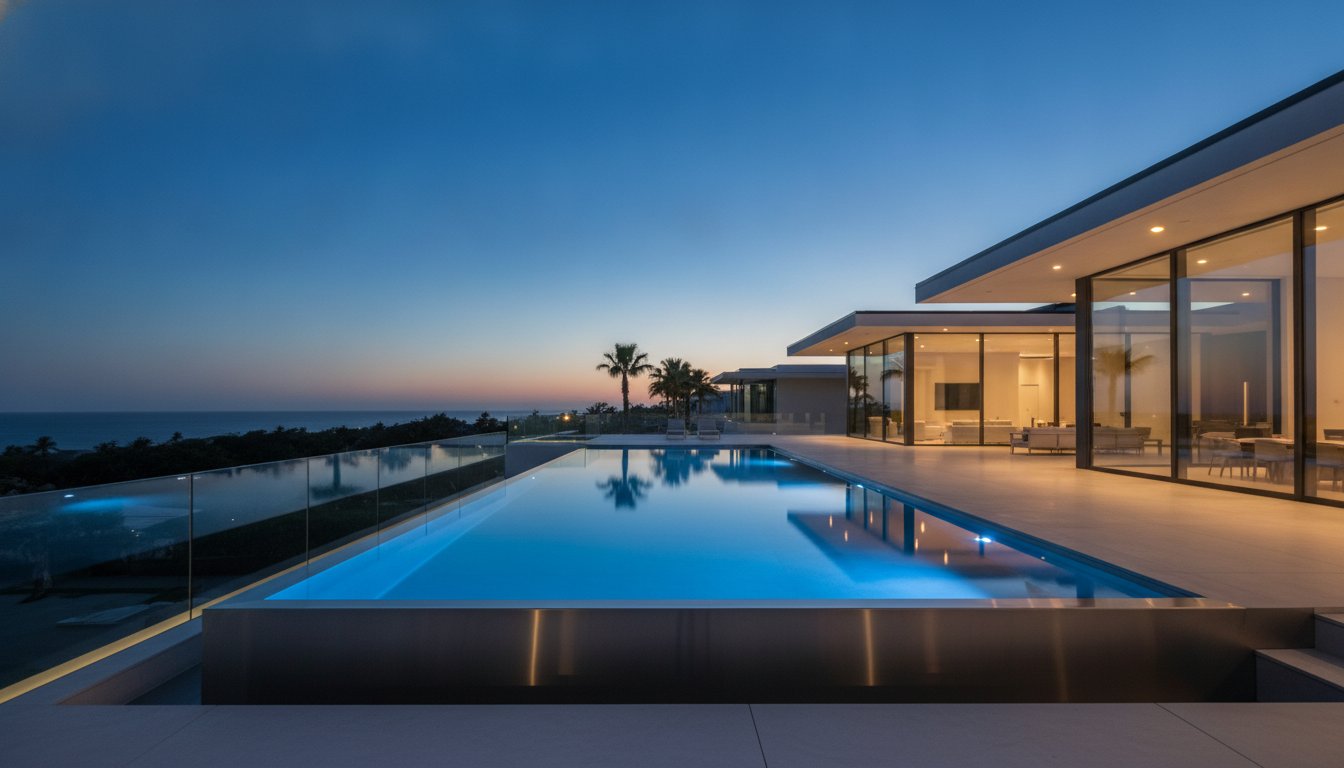
Modern luxury living often demands multi-use spaces where a pool area can instantly transform into a terrace. A stainless steel vessel provides the ideal rigid frame for vanishing pool floor technology. These systems require extreme structural stability to operate safely; even minor shifts in a concrete shell can cause mechanical failure. The inherent rigidity of steel ensures the floor platform moves with sub-millimeter precision. For estate owners evaluating the full scope of this investment, understanding the moveable pool floor cost Florida variables — from engineering complexities to material selections — is an essential step in planning a bespoke aquatic environment. Additionally, we specialize in the seamless integration of vanishing edges and perimeter overflows. The thin-walled profile of the steel allows for a razor-sharp water’s edge that blends into the horizon. We also prioritize the concealment of automatic pool covers. By engineering the mechanism’s housing directly into the steel structure, we maintain the sleek, minimalist aesthetic of your outdoor environment while providing essential safety and energy efficiency.
The Path to Your Custom Aquatic Environment
Our engagement begins with a comprehensive architectural consultation and engineering feasibility study. We analyze the specific requirements of your site, whether it’s a beachfront lot in Miami or a reinforced rooftop in a high-rise development. Once the engineering plans are finalized, you select from a range of premium finishes. You may choose the timeless elegance of exposed polished steel or a fully tiled interior that utilizes the metal shell as a waterproof foundation. The path to completion is organized into clear, thematic blocks:
- Precision Fabrication: Your vessel is constructed in a controlled facility using laser-welding technology.
- Logistical Orchestration: We manage the complex crane-in process, ensuring the pool is placed with surgical accuracy.
- Commissioning: Our Florida aquatic experts handle the final plumbing integration and system calibration.
Positioning your project with the right firm is critical for long-term success. As the premier partner for custom residential pool builders in Florida, we provide the specialized knowledge required for high-stakes aquatic engineering. We don’t just build pools; we curate sophisticated environments that reflect the highest standards of modern architecture and lifestyle design.
Defining the Future of Your Coastal Estate
The transition toward precision-engineered aquatic vessels marks a new era in luxury residential design. A stainless steel pool isn’t just a lifestyle choice; it’s a strategic investment in structural permanence and hygienic excellence. You’ve seen how these systems overcome the inherent weaknesses of concrete. They offer unmatched resilience against Florida’s coastal stressors while providing the lightweight profile necessary for ambitious rooftop installations. This engineering shift ensures that your aquatic environment remains a pristine, leak-proof asset for decades to come.
Our bespoke design-build philosophy ensures that your vision is executed with surgical accuracy. We specialize in high-end Florida coastal engineering, expertly integrating advanced technologies like moveable floors and automatic covers into every project. This level of technical sophistication transforms your outdoor space into a versatile architectural masterpiece. We possess the specialized knowledge required to navigate the complexities of modern aquatic architecture with discipline and creativity.
Ready to elevate your property with a solution that defies the limitations of traditional masonry? Consult with CPS Outdoors on Your Stainless Steel Masterpiece to begin your engineering journey. Your estate deserves an aquatic environment as enduring as it is beautiful.
Frequently Asked Questions
Are stainless steel pools more expensive than concrete?
A stainless steel pool typically requires a higher initial investment compared to traditional concrete or gunite options. This reflects the premium materials and specialized engineering involved in the fabrication process. However, the long-term financial profile is more favorable because you eliminate the recurring costs of resurfacing and acid washing required for plaster. When factoring in the 2026 Florida Building Code requirements for structural integrity, steel provides a permanent solution that minimizes future maintenance liabilities.
Do stainless steel pools get too hot in the Florida sun?
Stainless steel does not become uncomfortably hot in the Florida sun because the water acts as a constant heat sink. The thermal conductivity of the metal allows it to dissipate heat into the water column efficiently. Additionally, the reflective properties of the polished surfaces help deflect solar radiation rather than absorbing it like dark plaster or stone finishes. This ensures the pool rim and submerged surfaces remain comfortable for bathers even during peak summer temperatures.
How long does a stainless steel pool last?
A properly engineered stainless steel pool is a permanent structure designed to last 40 to 50 years or longer. Unlike concrete, which is prone to cracking and structural degradation over time, 316L marine-grade stainless steel resists the corrosive effects of Florida’s salt air and shifting soils. This longevity makes it an ideal choice for high-value estates where property owners prioritize durable, high-spec assets that won’t require total replacement or major structural repairs in the foreseeable future.
Can you tile a stainless steel swimming pool?
You can absolutely tile a stainless steel swimming pool to achieve a specific aesthetic. The welded steel vessel acts as a 100 percent waterproof shell, providing a more stable foundation for glass or ceramic tile than traditional masonry. This allows for a combination of the material’s structural benefits with the classic luxury of a fully tiled interior. Our design-build process includes specialized bonding agents to ensure the finish remains secure even in elevated or rooftop environments.
Is a stainless steel pool better for the environment?
Stainless steel is a highly sustainable choice for aquatic construction. The material is 100 percent recyclable, and the precision manufacturing process results in significantly less site waste than traditional concrete pours. Because the surface is non-porous and naturally resists algae growth, you’ll use fewer chemicals to maintain water balance. This reduction in chemical runoff and the elimination of periodic resurfacing waste align with modern environmental standards for luxury Florida developments and green building certifications.
Can stainless steel pools be used for salt water systems?
Yes, stainless steel pools are compatible with salt water systems provided that 316L marine-grade steel is used. This specific alloy contains molybdenum, which provides the necessary resistance to chloride-induced pitting and corrosion. It’s essential to maintain proper water chemistry and sacrificial anodes to protect the vessel’s integrity over time. Our engineering team ensures that every coastal installation is specified to handle the unique demands of salt-heavy environments without compromising the structural finish or aesthetic quality.
What is the installation timeline for a stainless steel pool?
The on-site installation timeline for a stainless steel pool is remarkably efficient, often taking only a few weeks once the foundation is prepared. This is because the vessel is pre-fabricated and pressure-tested in a controlled environment before being delivered to your estate. While a traditional concrete build can disrupt your property for several months, the “drop-in” nature of an engineered steel system minimizes site noise, dust, and general construction fatigue for the homeowner.
Are stainless steel pools slippery?
Stainless steel pools are not inherently slippery when properly designed. We incorporate various non-slip textures into the floor plates, stairs, and entry points during the fabrication process. These patterns provide the necessary traction for safety without sacrificing the sleek, modern aesthetic of the metal. For high-traffic areas or commercial aquatic projects, we ensure that the surface friction meets all safety standards required by the 2026 Florida Building Code for residential and commercial installations.