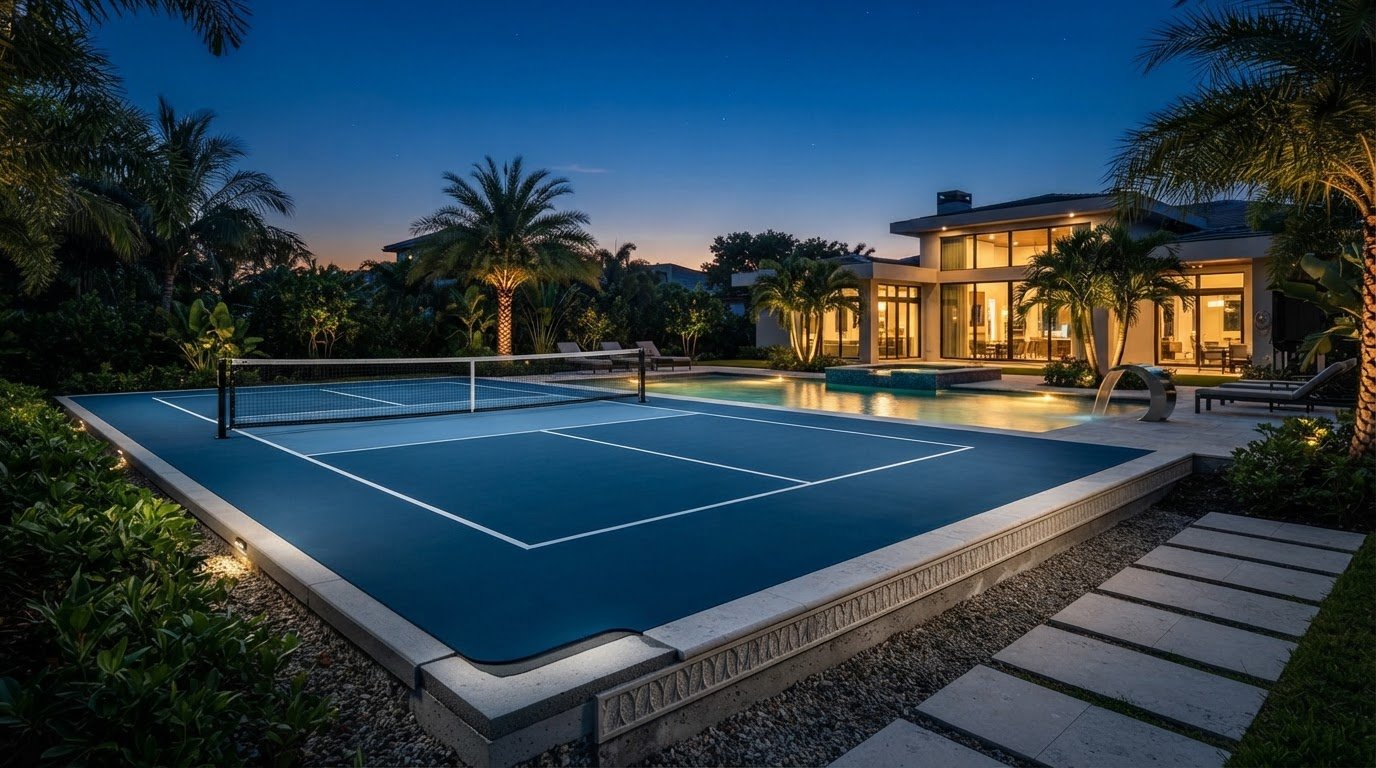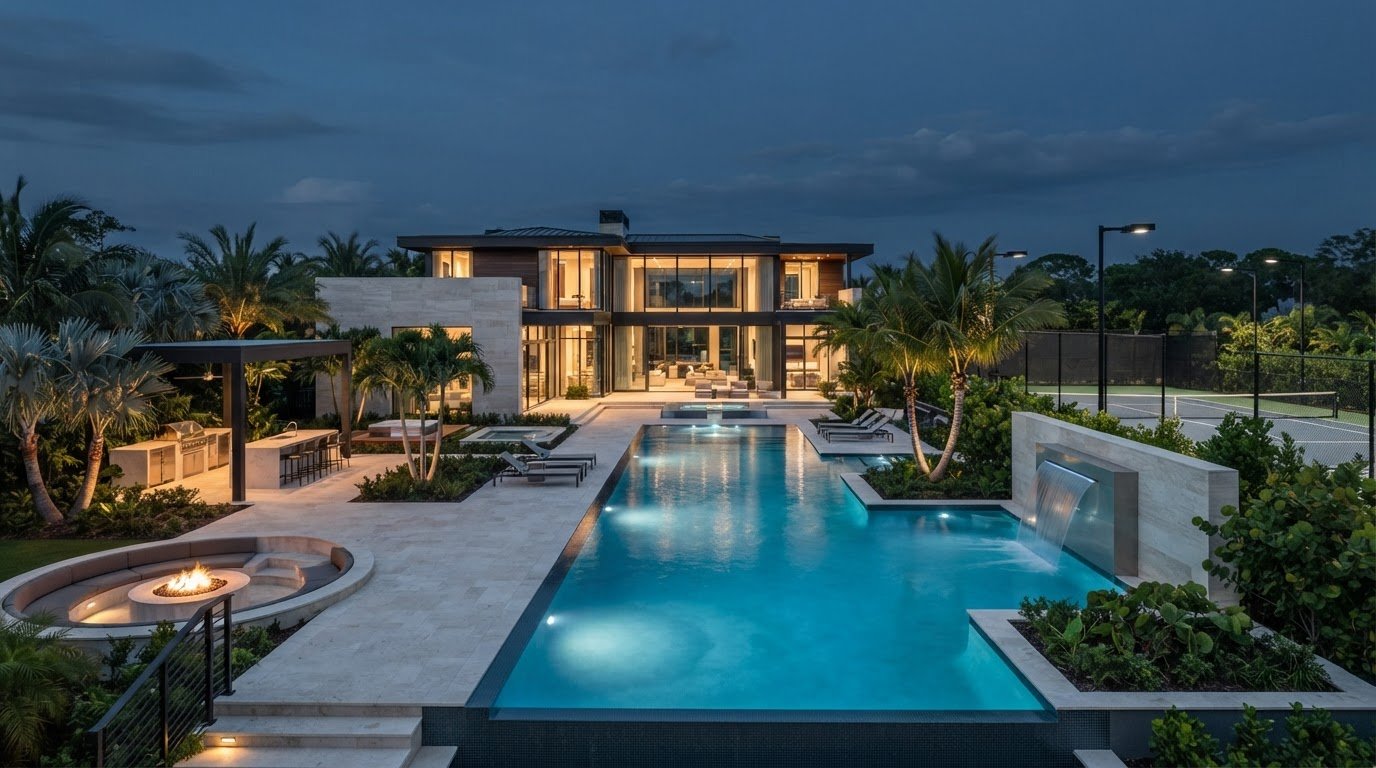
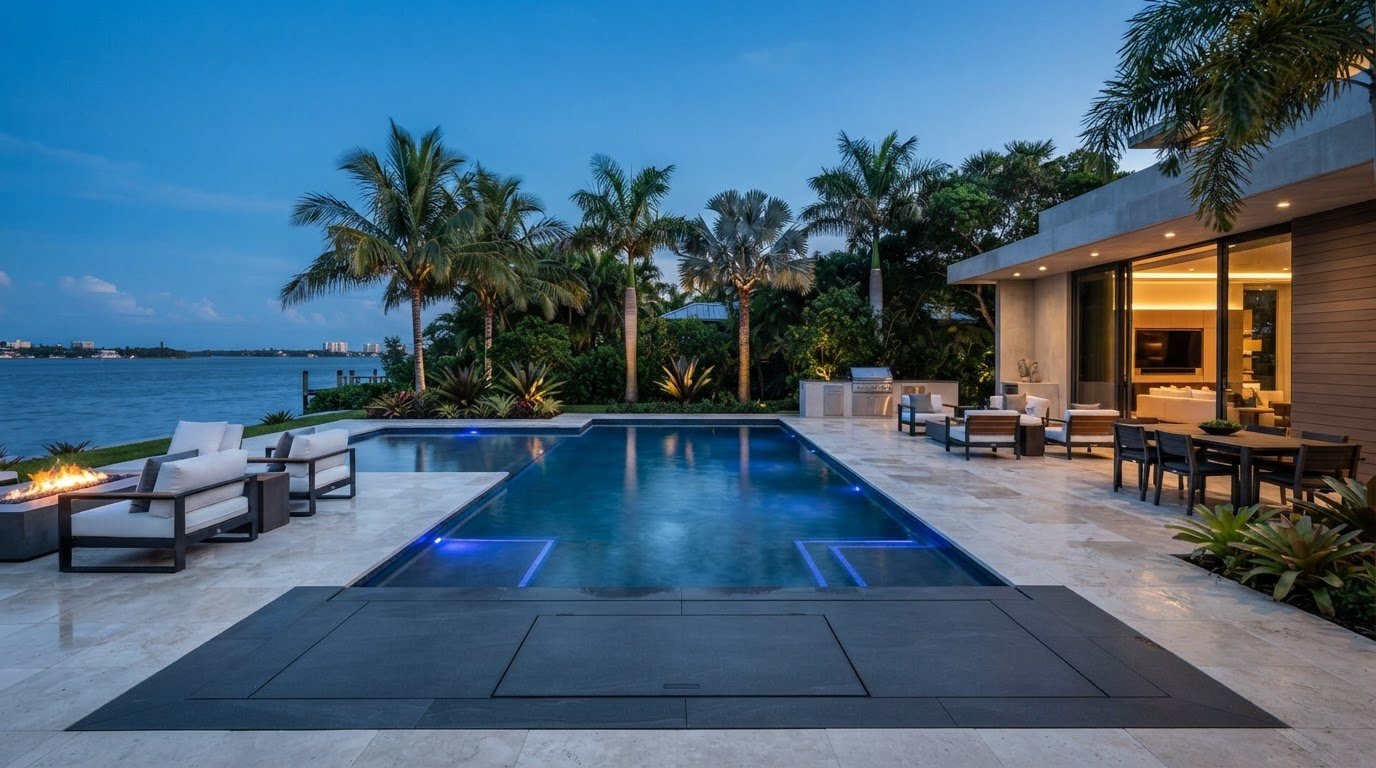
Outdoor living design elemento living brings pool planning and outdoor furnishings into the same conversation. For a Florida property, that means considering how the pool, deck, seating, dining areas, and circulation fit together before individual pieces are selected. Planning these elements as one environment can help create a more functional and visually connected outdoor space.
It’s easy for an outdoor project to feel fragmented. Furniture selected separately may not suit the space or its exposure to sun, humidity, and salt air. A pool and lounge area can also lack a natural flow if their layouts are decided at different stages. The result may fall short of the cohesive setting you had in mind.
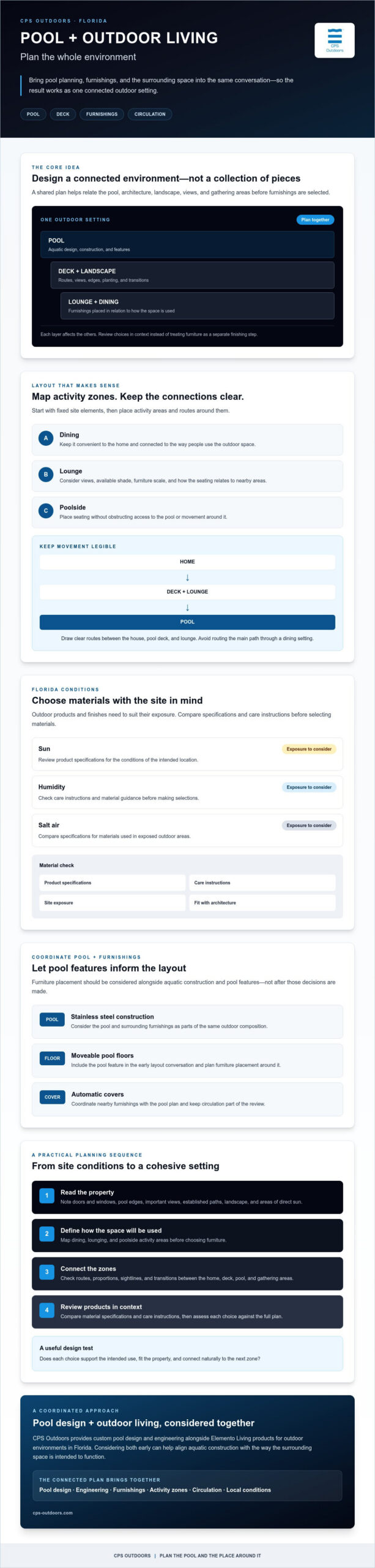
This guide covers practical ways to connect pool planning with outdoor furnishings in Florida. You’ll find advice on defining activity zones, reviewing materials for local conditions, and planning around pool features such as stainless steel construction, moveable pool floors, and automatic covers. CPS Outdoors offers custom pool design and engineering alongside Elemento Living products, giving Florida homeowners and design professionals a way to consider aquatic construction and outdoor living together.
Key Takeaways
- Outdoor living design elemento living considers the pool, furnishings, and surrounding space as connected parts of one environment.
- Map dining, lounging, and poolside zones before choosing furniture, and keep paths between them clear.
- Compare product specifications and care instructions when selecting outdoor materials for Florida’s sun, humidity, and salt air.
- Plan furniture placement around pool features, including stainless steel pools, moveable pool floors, and automatic covers.
- CPS Outdoors provides custom pool design and engineering, as well as Elemento Living products for outdoor environments in Florida.
Outdoor Living Design Elemento Living: Beyond Furniture
A well-planned outdoor space is more than a group of attractive furnishings. Its success depends on how the pool, architecture, landscape, and gathering areas work together. With Elemento Living products and CPS Outdoors’ pool design and engineering services, homeowners can consider furnishings in relation to the aquatic environment instead of treating them as a separate finishing step.
That coordination matters because an outdoor setting has to function as well as look considered. Furniture scale, circulation, views, and transitions between activity areas all affect how a space feels and how people use it. A plan makes those relationships easier to assess early, before a lounge arrangement blocks a path or the dining area feels disconnected from the home.
The Difference Between Pieces and Environments
Buying individual items can produce a collection of attractive objects without a unified composition. A lounge grouping may obstruct a route to the pool, dining furniture may feel detached from the house, or finishes may compete with the surrounding architecture. A design plan brings the decisions together by considering intended use, proportions, sightlines, circulation, and the relationship between each zone.
Landscape design offers a useful foundation for this kind of planning because it connects composition with site layout. For a Florida property, consider the home’s openings, the pool edge, existing planting, views, and exposed areas as part of the same setting. Then choose furnishings and finishes that support the layout rather than making each decision in isolation.
A shared plan also gives homeowners and design professionals a framework for decisions. Review the layout against the property’s architecture and how people are expected to move between the pool, lounge, and dining areas. If a choice affects more than one zone, assess it in context before finalizing it.
A Seamless Extension of Interior Living
A connected indoor and outdoor layout starts with the transition between the home and the exterior. Large openings may link interior rooms with outdoor living areas, while related materials, forms, or tones can help the spaces feel visually connected. The goal isn’t to copy an interior outdoors. It’s to carry a compatible level of care into a setting shaped by open air, landscape, and water.
When the layout feels intentional, an outdoor room can be easier to understand and use. A defined lounge area signals where to pause; a clear route to the pool makes the transition between relaxing and swimming straightforward. These details matter in Florida, where an outdoor space may serve several purposes throughout the day.
For anyone considering outdoor living design elemento living, start with the relationship between the pool and the areas around it. CPS Outdoors provides pool design and engineering, and Elemento Living products can be considered as part of the broader outdoor environment. Discussing both early can help align the pool plan with the intended use of the surrounding space.
The Architectural Framework of Premium Outdoor Spaces
A successful outdoor plan begins with practical questions: How will people move through the space? Which activities should it support? How should each area relate to the whole? Unlike an interior, an outdoor environment must also respond to sun, weather, landscape, and the pool. Treating the terrace as an extension of the home can help connect indoor design with outdoor living, rather than leaving the transition to furniture selection alone.
Start by noting the property’s fixed elements: doors and windows, the pool edge, important views, established paths, and areas that receive direct sun. Then map activity zones around them. Dining should be convenient to the home, lounging should account for views and available shade, and poolside seating should not obstruct access or movement. For landscape choices that suit local conditions, the University of Florida’s guidance on Florida-Friendly Landscaping™ offers a useful reference.
Spatial Planning and Flow
Draw clear routes between the house, pool deck, and lounge before placing furniture. Avoid sending the main path through a dining setting or between pool users and seated guests. Proportion matters, too: a small grouping can feel lost on a broad deck, while oversized furnishings can crowd a compact terrace. Check how each zone works on its own and how it connects to the next. The pool surround is part of this framework, and luxury pool hardscape design can help shape the relationship between the pool and adjacent areas.
For complex layouts, a scaled drawing or 3D visualization can help evaluate furniture dimensions, sightlines, and circulation before selections are finalized. Test whether a lounge arrangement preserves views from inside the home and whether a dining zone feels balanced beside the pool. Visualization can help compare options, but site dimensions and project requirements still need to be confirmed.
A useful layout check is to trace the main routes on the plan, then place furniture to scale. Look for pinch points, doors that may be blocked, and paths that cross active areas. If several uses share one space, check each arrangement rather than planning for only one activity.
Lighting and Shade Strategies
Plan lighting in layers. Use subtle pathway illumination to support movement, focused light around dining or gathering areas, and restrained accents for architectural or landscape details. A considered nighttime plan can make the space useful after sunset without making it feel overlit.
Shade needs similar coordination. Elemento Living offers outdoor living products, and shade structures such as umbrellas can be considered alongside seating, views, and sun exposure. Check the proposed location against the intended furniture layout and the paths people use. For outdoor living design elemento living, the practical point is to plan furnishings and the surrounding architecture together. Explore how CPS Outdoors pool design and engineering can inform the relationship between aquatic features and the outdoor space.
Evaluating High-End Materials for the Florida Climate
In Florida, outdoor materials may face strong sun, humidity, frequent rain, and, near the coast, salt air. These conditions can affect fabrics, finishes, frames, and hardware. Instead of relying on a broad label such as “weather-resistant,” evaluate each product for its intended location and exposure. For a broader perspective on residential landscapes, the American Society of Landscape Architects (ASLA) provides information about landscape design.
Begin with product specifications. When comparing outdoor fabrics, ask about fiber composition, UV and fade performance, cleaning guidance, and suitability for the project’s conditions. A brand name alone doesn’t establish how a fabric will perform in a particular application. Request care instructions and confirm whether cushions are designed to remain outdoors or should be stored when not in use.
Resisting Salt Air and Humidity
For waterfront furnishings, review the frame, finish, joints, and fasteners as a system. Powder-coated aluminum may be an option to consider for outdoor use; ask how the coating is applied and how it should be cared for. If you are considering steel, confirm the precise grade, protective finish, and hardware composition with the manufacturer. A general label such as “marine-grade” does not replace checking product-specific details.
Teak and other dense hardwoods can add natural warmth to an outdoor palette. Their appearance can change with exposure and care, so ask what finish to expect over time and what maintenance the maker recommends. Synthetic fibers and resins offer other design possibilities. Compare their material details and cleaning requirements rather than assuming an outdoor-rated surface is maintenance-free.
When comparing options, consider where each piece will sit, how much direct sun and rain it will receive, and whether it is close to salt air. Request the manufacturer’s recommendations for that setting. Then weigh appearance, care, and the role of the piece in the overall design, not just its initial look.
Choose Materials for the Specific Setting
Elemento Living products can be considered alongside the pool, deck, and circulation plan, rather than selected only after those decisions are fixed. For woven-look pieces, verify the actual materials and outdoor-care guidance instead of inferring performance from the style. Apply the same check to cushions, finishes, and hardware.
This coordination is especially relevant to custom residential pool builders in Florida, where the pool environment and furnishings need to work as a composition. With outdoor living design elemento living, material choice is one part of the planning process: assess appearance, exposure, care, and placement together before settling on a palette.
Synchronizing Aquatic Engineering with Outdoor Living Design
Pool engineering affects more than the water’s edge. It shapes circulation, usable deck area, views, and where furnishings can sit without disrupting access or operation. The clean geometry of a stainless steel pool, for example, can inform the lines of a lounge arrangement and the choice of nearby finishes. Consider these decisions early, while pool dimensions, coping, and furniture zones can still be reviewed together.
Compare coping and furniture finishes as a palette. The aim isn’t to make every surface identical, but to create a deliberate relationship between the pool edge, decking, and furnishings. At an infinity edge, low-profile seating can help preserve sightlines toward the horizon. Where water meets wood or stone decking, plan the transition so the material change feels intentional and circulation remains clear.
Planning Around a Moveable Pool Floor
A moveable pool floor can change how an area is used, so the furnishing plan must account for its operation. When raised, the floor may serve a different purpose, such as providing additional space for entertaining. Don’t assume it can be furnished like a fixed deck. Confirm the system’s operating requirements, load limits, and approved uses with the pool engineering team before specifying furniture.
For a flexible layout, identify furnishings that are easy to reposition and decide where they belong in each configuration. Establish how furniture will be moved before the floor operates, unless the system documentation explicitly permits items to remain in place. A successful transformation depends on addressing engineering constraints and furniture logistics together, rather than improvising after installation.
Visual Continuity in Aquatic Architecture
For infinity-edge pools, the view is part of the design. Keep furnishings low enough to respect key sightlines, and avoid placing large groupings where they interrupt the connection between water and horizon. In Florida, furniture scale and placement can support the vanishing-edge effect while coordinating with the pool’s surrounding finishes.
Automatic pool covers also need a place in the overall plan. Coordinate their operation and access with nearby furniture, and follow the system’s instructions for use. Don’t treat a cover as a deck or furniture platform unless the manufacturer explicitly approves that use.
For outdoor living design elemento living, the practical benefit is alignment: pool features, finishes, and furnishings can be considered as parts of one environment. Discuss pool engineering and outdoor living products with CPS Outdoors to bring these decisions into the same conversation.
Designing Your Bespoke Environment: From Plans to Installation
A cohesive outdoor environment takes shape through connected decisions, from reviewing the property and pool plans to selecting furnishings that suit the space. CPS Outdoors provides custom pool design and engineering, and offers Elemento Living products for outdoor environments. Considering these elements together can help homeowners, architects, and designers align pool construction with the intended use of the surrounding space.
Start with a clear project brief. Note how you expect to use the area, the site conditions, the property’s architectural character, and how the pool relates to nearby living areas. As plans develop, clarify how selections, delivery, placement, and installation will be coordinated for the specific project. Complex sites may involve multiple professionals and access constraints, so confirm responsibilities and scope rather than assuming a particular service is included.
Prepare for a Focused Design Discussion
Before discussing furnishings, gather architectural plans, pool dimensions, reference images, and a list of intended uses. These details help make the conversation more specific, whether the priority is a poolside lounge, dining area, or a coordinated palette across several zones. If plans are still developing, note which details are confirmed and which may change.
Bring questions about product specifications, finishes, care, and how selections fit the pool layout. For a Florida property, include details about sun exposure and whether the site is near the coast. This makes it easier to compare suitable options against the actual setting rather than choosing from appearance alone.
Coordinate Pool Plans and Outdoor Products
When pool engineering and outdoor furnishings are considered together, decisions can be reviewed against real site conditions. Pool dimensions, circulation, access, and the proposed furniture layout can be assessed as parts of one environment. CPS Outdoors specializes in custom aquatic construction and offers Elemento Living products, which can be considered alongside pool design and engineering.
If you’re planning a Florida project, use the luxury swimming pool planning guide to frame early questions about pool scope. Bring those priorities into design discussions alongside furnishings, finishes, and how each area will be used.
Outdoor features such as shade, lighting, and controls also need to suit the property and project requirements. Identify the features you want early, then confirm how they can be integrated into the overall plan. That’s the practical value of outdoor living design elemento living: construction decisions and product selections can inform one another, helping the finished environment feel considered from the pool outward.
Bring Your Outdoor Vision Into Focus
A cohesive Florida outdoor environment begins with a coordinated plan. Treat the pool, circulation, furnishings, and material palette as connected elements, then evaluate selections for the sun, humidity, and salt air they may encounter. This approach helps create a space that feels considered and functions naturally from the home to the water’s edge.
With outdoor living design elemento living, pool planning and outdoor products can be considered together. CPS Outdoors provides custom aquatic design and engineering, including residential and commercial pools, renovations, stainless steel pools, moveable pool floors, and automatic pool covers. The company also offers Elemento Living products for outdoor environments.
Whether you’re starting with architectural plans or refining an existing pool setting, make decisions about materials, layout, and intended use before finalizing selections. Contact CPS Outdoors to discuss pool design and Elemento Living products for your Florida project.
Frequently Asked Questions
What is Elemento Living?
Elemento Living is part of CPS Outdoors’ offering for outdoor environments. Its products can be considered alongside pool design and engineering when planning furnishings and the areas around a pool. The specific products and project scope will depend on the client’s needs, so discuss the available options directly with CPS Outdoors.
Can Elemento Living products withstand salt air in Florida?
Suitability depends on the specific product, materials, finishes, and exposure, so it’s best to evaluate each item rather than assume all outdoor furnishings perform alike. Ask for manufacturer specifications, care instructions, and guidance for coastal settings. Check frame construction, protective finishes, fabrics, and hardware. Salt air, humidity, and intense Florida sun all matter when selecting furnishings, and no general material label guarantees a particular lifespan.
How does outdoor living design integrate with a moveable pool floor?
Coordinate the furniture plan with the pool engineering team before deciding how the space will function in each floor position. A raised floor may create a different usable area, but furniture shouldn’t be placed on a moving surface unless the system documentation expressly allows it. Confirm operating requirements, approved loading, and furniture removal procedures. This planning helps align the pool’s intended use with circulation, storage, and the surrounding outdoor layout.
Does CPS Outdoors handle both pool construction and outdoor products?
CPS Outdoors provides residential pool construction and pool design and engineering, and also offers Elemento Living products for outdoor environments. This creates an opportunity to consider aquatic planning and outdoor products together. The exact scope depends on the project, so confirm which design, construction, product, delivery, and installation responsibilities are included. Clear responsibilities help Florida homeowners and their design professionals coordinate decisions from the pool plans through the finished setting.
How should I compare outdoor furniture brands for a Florida property?
There isn’t one brand that suits every Florida property. The right choice depends on the design, intended use, exposure, and care requirements. Compare product-specific material specifications, including frames, fabrics, finishes, and hardware. Ask for cleaning and maintenance guidance, especially for coastal settings, and assess each item in relation to the pool and the overall layout.
How long does a custom outdoor living project typically take?
There’s no single timeline that applies to every custom outdoor living project. Duration can depend on the scope, design decisions, pool construction requirements, product selection, and coordination among the professionals involved. Ask for a project-specific schedule that identifies major decision points and how product selections relate to construction progress. Confirm availability and delivery expectations directly, since timing can vary by item and project. CPS Outdoors can clarify the anticipated sequence for its proposed scope.
Do you offer trade pricing for architects and interior designers?
Ask CPS Outdoors directly about current pricing terms and whether they apply to your professional role or project. If you’re preparing a Florida property presentation, bring plans, finish references, and project requirements to help focus the discussion. Confirm product availability and project scope before making selections.
Is a professional design plan required before purchasing outdoor products?
A professional plan isn’t necessary for every purchase, but it can be valuable for a large or technically complex outdoor environment. A layout helps check scale, circulation, pool access, views, and how furnishings relate to the home’s architecture. For projects with a moveable pool floor or automatic cover, coordinate placement with the pool team and confirm system requirements before specifying furnishings. This reduces uncertainty and supports a cohesive result.